Physical Address
304 North Cardinal St.
Dorchester Center, MA 02124
Physical Address
304 North Cardinal St.
Dorchester Center, MA 02124

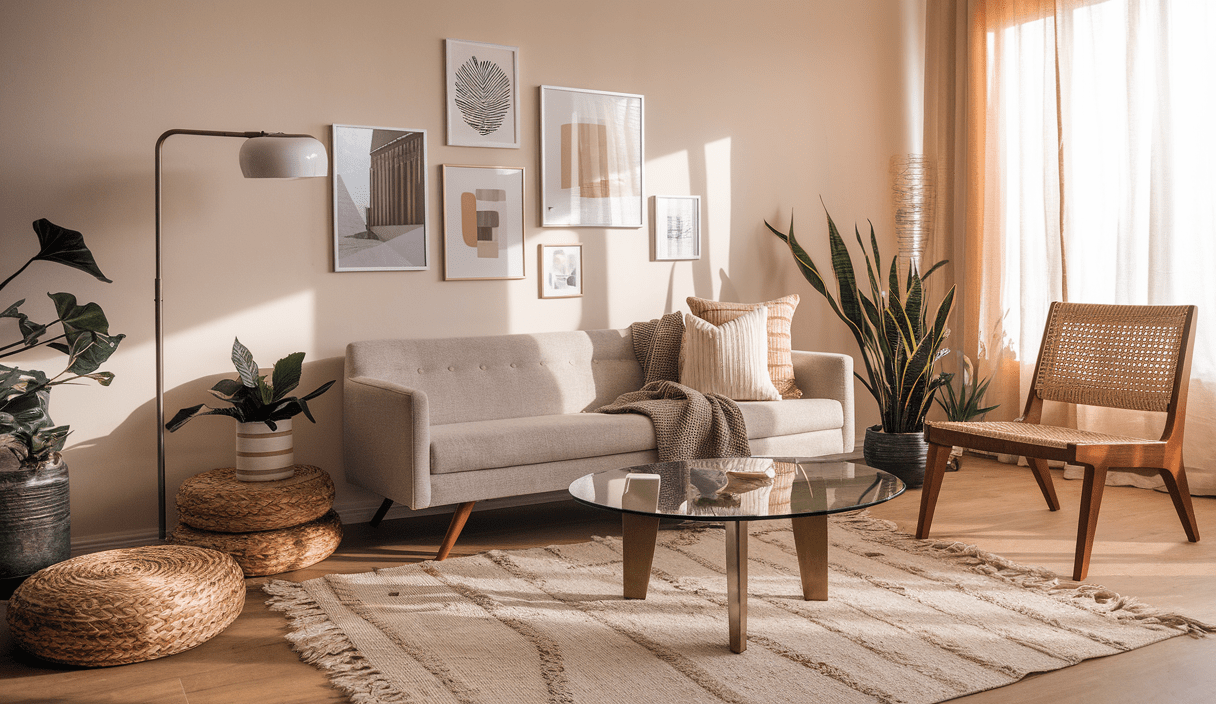
Learning how to mix and match furniture styles can transform a jumbled collection of pieces into a thoughtful, layered room. Start with a plan, choose a unifying element, and balance contrasts for a pulled-together look that feels curated — not chaotic.
Mixing styles lets your home tell a story. It makes rooms feel lived-in and personal. Instead of buying everything as a set, you combine classics and contemporaries, textures and finishes, to create a unique space. The trick is to use simple rules so the mix feels deliberate.

Follow these pillars to make the process simple and repeatable.
Color, finish, material, or pattern can be your visual thread. Repeat it two to three times across the space so pieces feel connected. For more ideas on repeating elements to create cohesion, check this practical guide from Havenly: Havenly — Mixing Furniture Styles.
Choose 2–4 main colors. A tight palette prevents clashes and lets different furniture eras shine. Neutrals (gray, beige, navy) give you permission to mix silhouettes and textures without feeling busy.
Scale matters. A tiny side table will look lost next to a large sofa. Use furniture that balances visually and maintains comfortable circulation.
Large pieces like rugs, sofas, or media cabinets anchor the room. Keep these relatively neutral or already aligned to one primary style to ground the mix.
Here’s a simple, repeatable process you can use right now to mix styles like a pro.
Decide if you want cozy, airy, modern, or eclectic. Mood dictates finishes and details. Pinterest boards and saved photos are great for clarifying your taste.
Pick one or two unifying elements: color, metal finish, or a textile pattern. Repeat them across the room — cushions, frames, lamps, or a runner.
Pick one major piece to set the tone — usually the sofa or dining table. Build outward from that anchor and add contrasting styles as accents.
Introduce one or two bold contrasts (e.g., a mid-century chair with a modern sofa). Keep the rest cohesive so the contrast reads as intentional.
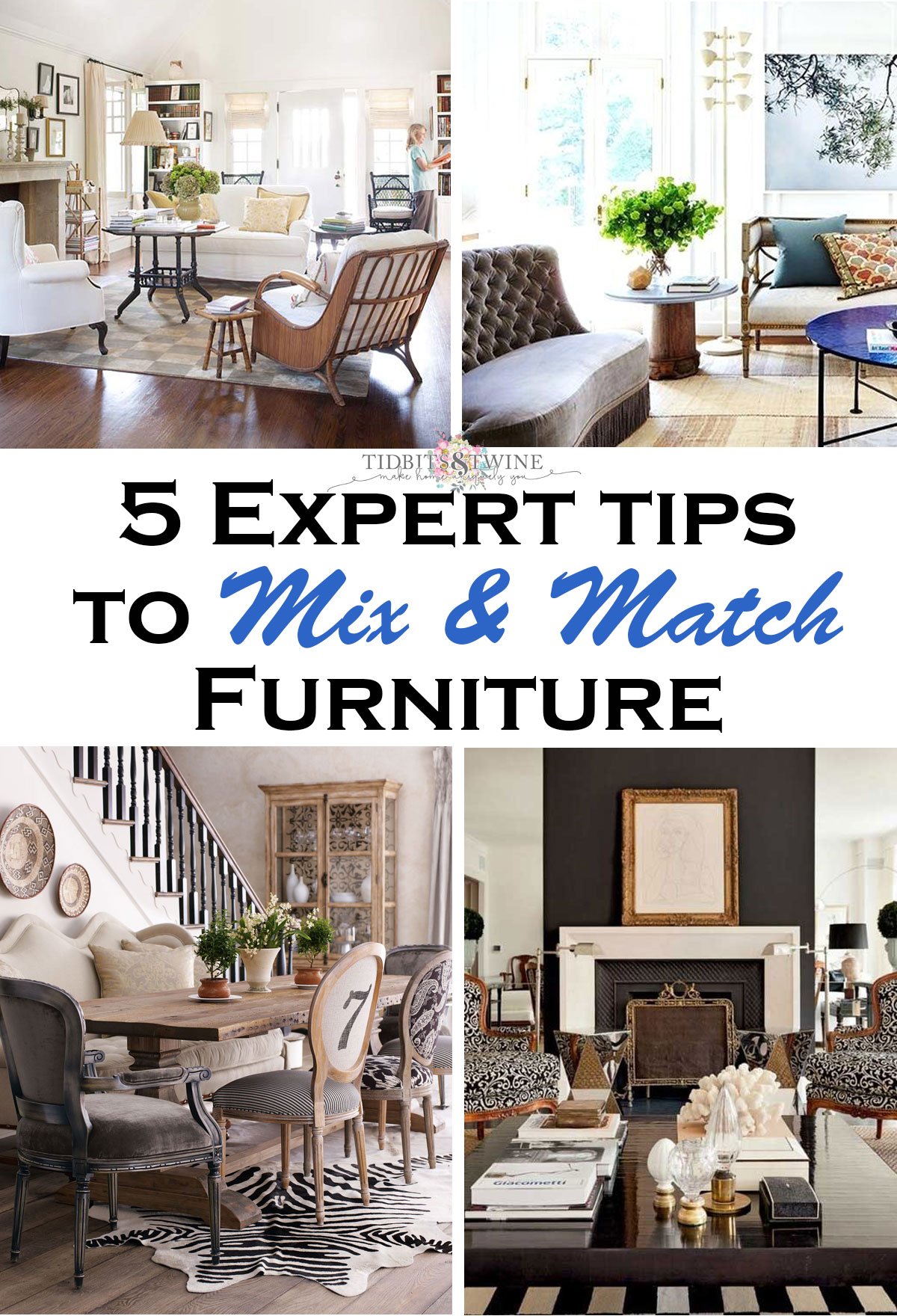
Below are reliable style pairings that look modern and purposeful.
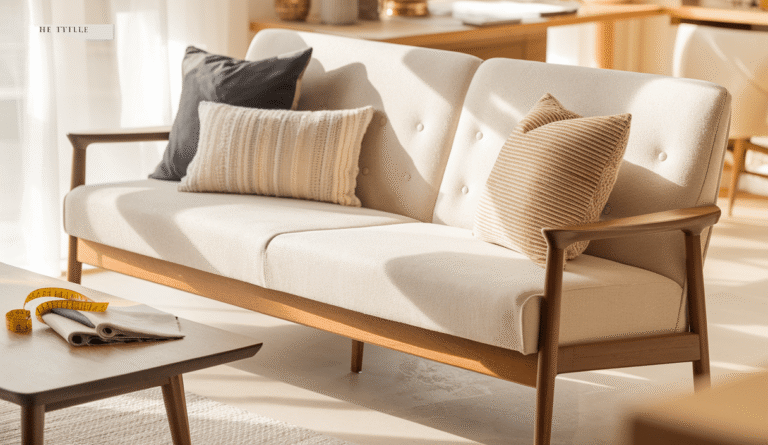
Pair a clean-lined mid-century sofa with a glass or metal coffee table. Use similar wood tones or repeat brass accents to create harmony.
Mix a tufted sofa or wingback chair with metal-legged side tables or exposed lighting. The softness of traditional pieces balances raw industrial materials.
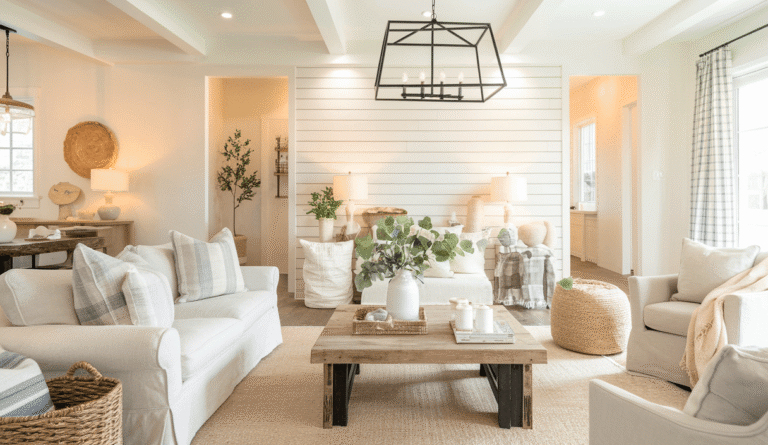
Light woods and simple shapes meet layered textiles and artisan accessories. Keep the palette light and add warmth with a textured rug and woven baskets.
Let one or two statement items (an eclectic chair or vintage chest) stand against a backdrop of minimalist furniture to avoid visual overload.
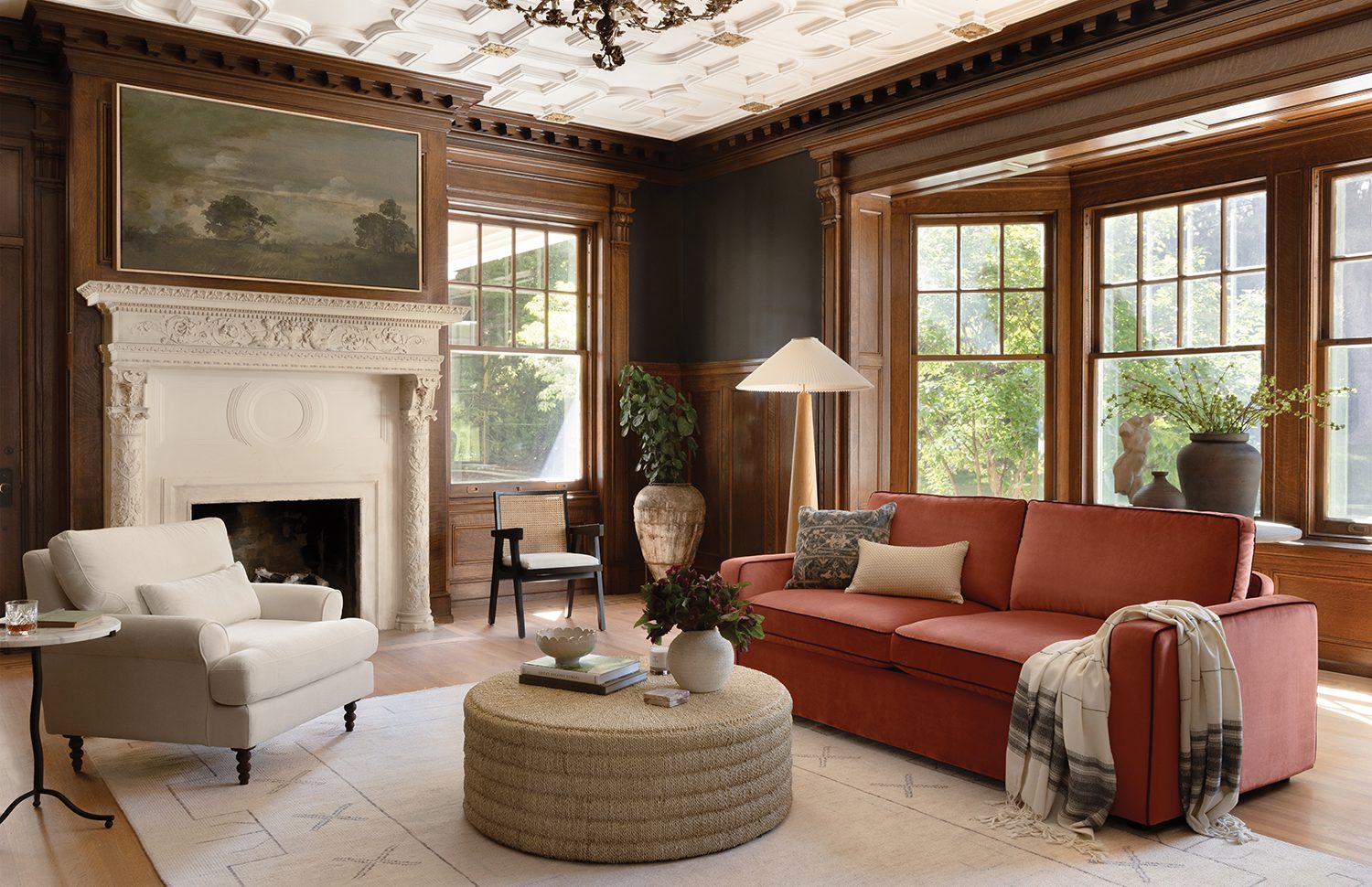
Use these practical moves to create balance and flow.
A rug can both define a seating area and introduce a pattern or color that ties furniture pieces together. Choose a rug large enough so front legs of seating sit on it.
Avoid these pitfalls when you mix furniture styles.
Fix: Limit yourself to two dominant styles and one accent style. Less is more.
Fix: Measure and mock up arrangements. Walk the room to ensure pieces feel balanced and comfortable.
Fix: Add a unifying color, metallic finish, or pattern repeated across the room.
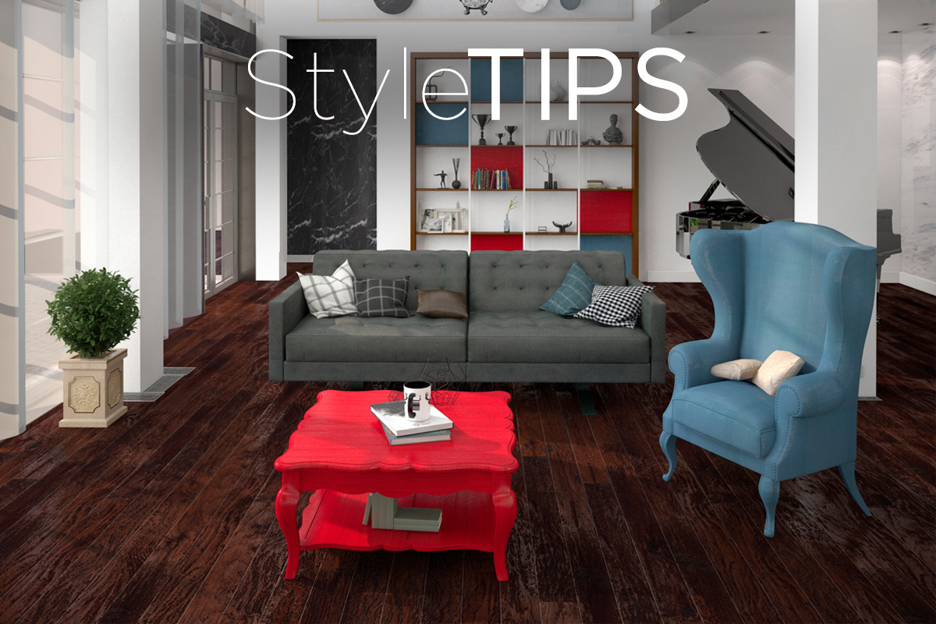
When hunting for pieces, keep these tips in mind:
“A dining table does not need to match the living room furniture style — it just needs to feel intentional.” — advice echoed by designers and community conversations like those on Reddit (example thread).
These three elements make your mix feel cohesive and finished.
Use lamps and pendants to repeat metal finishes. A bold pendant can modernize a traditional table.
Pick a few statement accessories and keep smaller items minimal. Groupings of three look intentional.
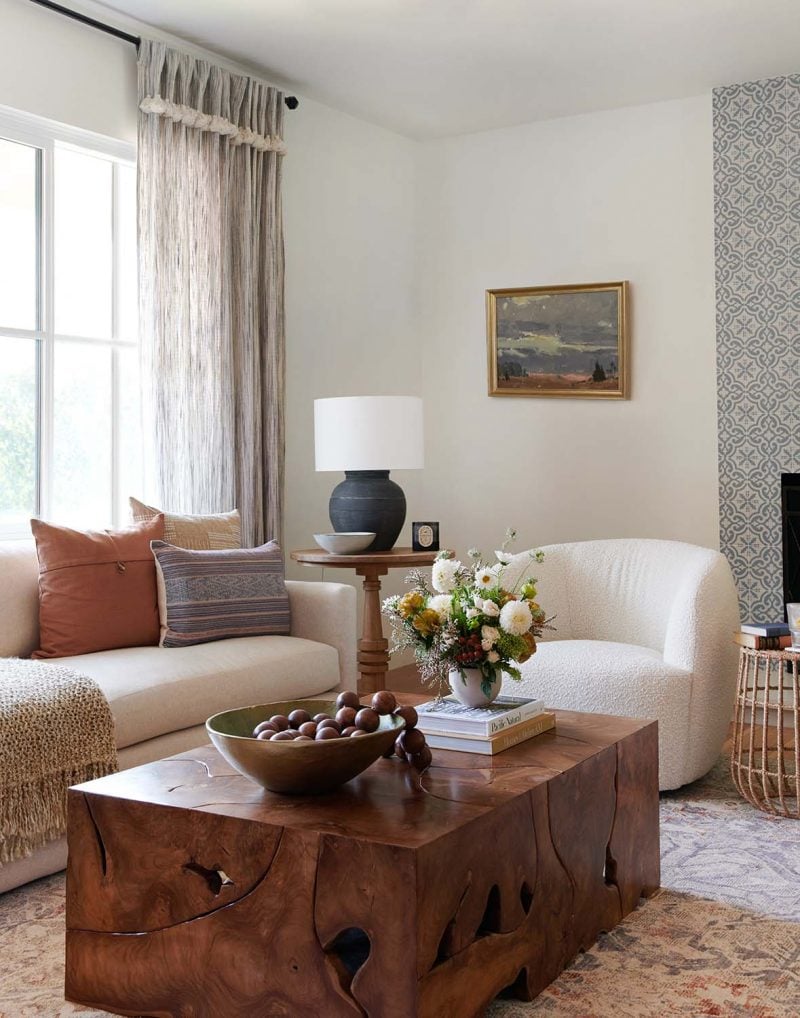
Pillows, throws, and curtains are inexpensive ways to pull colors and patterns across styles.
Learn from designers and community discussions. Here are helpful links:
Watch this short video walkthrough to see examples and on-the-floor styling tips.
Keep these short rules in mind as you edit your room:
Once you master how to mix and match furniture styles, decorating becomes more playful and personal. Start with an anchor, repeat a unifying element, watch your scale, and edit with intent. The result will be a room that feels collected over time — but looks professionally designed.
Ready to try this in your space? Explore more styling guides and step-by-step projects to build your confidence and refine your eye.
Explore more guides on zenpulsehub.com for tips on styling, layout, and mood-driven decorating.
Yes, but do it sparingly. Limit yourself to two primary styles and one accent style. Use a unifying element like color or finish to keep the look cohesive.
Repeat a color or metal finish from the vintage piece elsewhere (lamps, pillows, or frames). Keep the surrounding furniture relatively neutral so the vintage item reads as intentional.
Take a step back and edit: remove accessories, reduce patterns, and ensure circulation isn’t crowded. Keep visual anchors and remove anything that competes for attention.