Using Mirrors to Make Rooms Look Bigger Fast

Using Mirrors to Make Rooms Look Bigger Fast

Using Mirrors to Make Rooms Look Bigger Fast

Using mirrors to make rooms look bigger is one of the simplest, most cost-effective tricks in home design. In the first few minutes of decorating, a well-placed mirror can brighten a room, add depth, and create the illusion of space without knocking down a wall. This guide walks you through practical mirror placement, style choices, and real-room examples so you can create a lighter, airier home today.

Why mirrors work: the science behind the illusion

Mirrors create an instant perception of more room by reflecting light and extending sightlines. When you place a mirror to bounce natural light deeper into a space, the room feels brighter and visually larger. Mirrors also reflect views, so a mirror facing a window can bring the outdoors in and make the interior seem to expand.
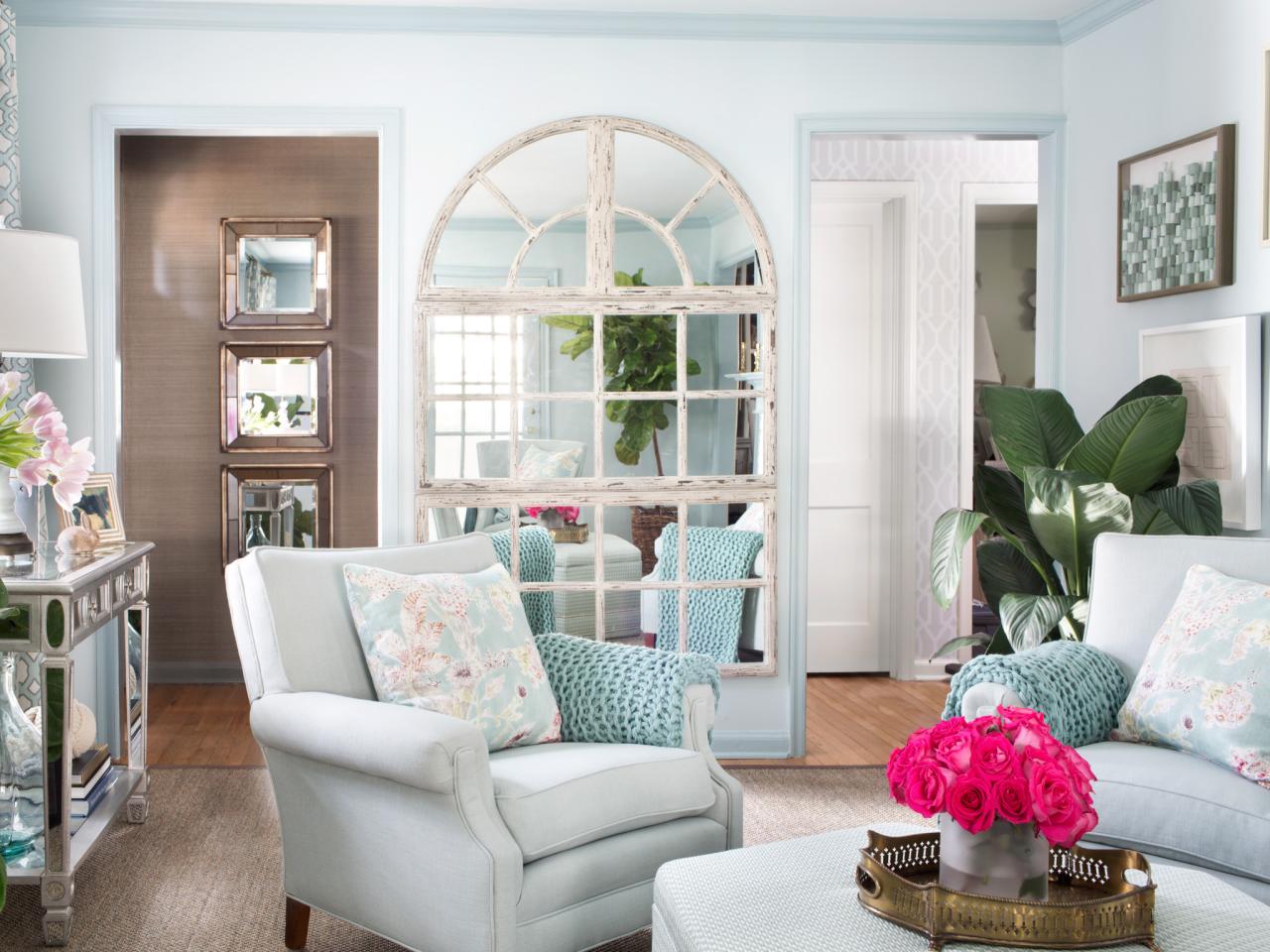
Key visual effects mirrors create

  • Light amplification: Mirrors reflect daylight and artificial light.
  • Depth perception: Reflections create the sense of a second space beyond the wall.
  • Height elongation: Tall mirrors make ceilings feel higher.
  • Symmetry & balance: Mirrors visually balance a room around a focal point.
7 Ways Mirrors Can Make Any Room Look Bigger - Sonoma Magazine
Source: www.sonomamag.com

Where to place mirrors for the biggest impact

Placement matters more than size alone. Here are high-impact placements that consistently make rooms feel larger:
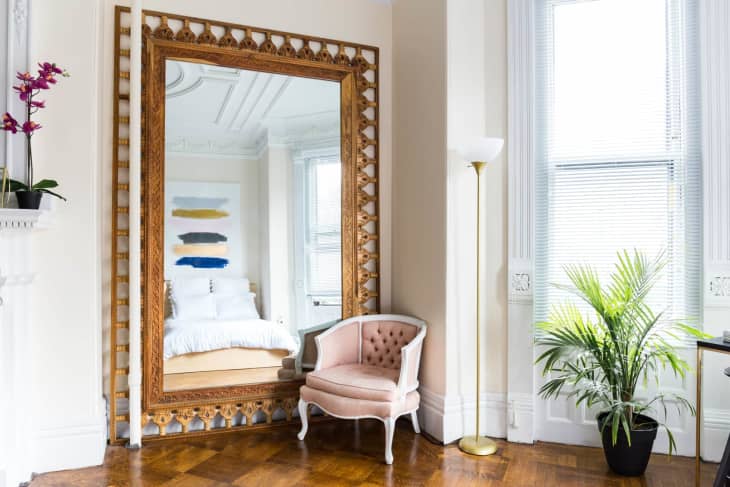
  • Opposite or adjacent to a window: Reflects natural light and view to add depth.
  • Behind a light source or lamp: Doubles the effective light in a space.
  • At the end of a hallway: Creates the feeling that the corridor continues.
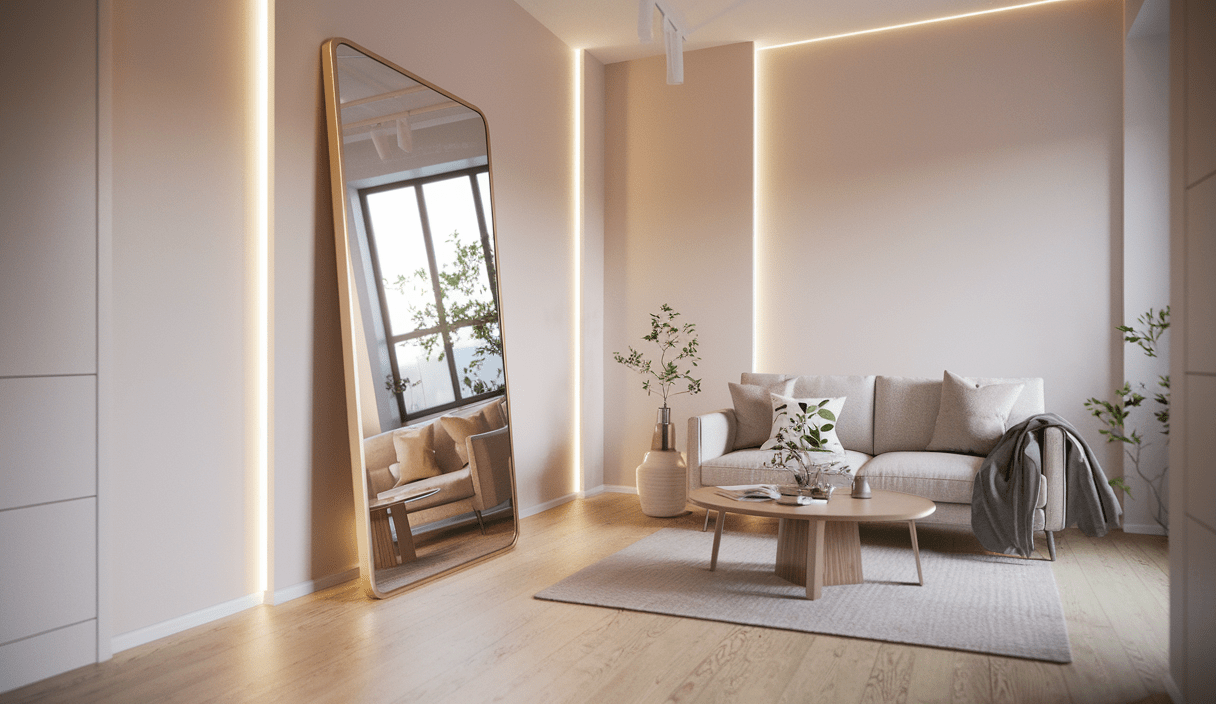
  • Leaning floor mirrors: Add height and a casual, elegant look.
  • Grouped mirrors: A cluster of small mirrors can mimic a large one and add artistic interest.
How to Make a Room Look Bigger With Mirrors: 10 Chic Examples ...
Source: www.apartmenttherapy.com

Which mirror styles make rooms look bigger

Not all mirrors create the same effect. Choosing the right type will enhance the illusion of space:

  • Large, minimalist frames: A simple, oversized mirror gives a clean reflection that reads as more space. Ideal for small rooms—choose a narrow frame or frameless design to avoid visual clutter (recommendation echoed by Homes & Gardens).
  • Full-length floor mirrors: Leaning mirrors reflect both floor and ceiling, elongating the room vertically.
  • Mirrored walls or panels: For dramatic results, mirrored panels create a sense of continuous space—use sparingly and with intention.
  • Decorative clusters: Grouping small mirrors forms a focal point that can mimic a larger opening.

Tip: Match mirror style to room scale

In small rooms, choose simple, larger mirrors that don’t fight the eye. In spacious rooms, decorative frames can add personality without shrinking the visual field.
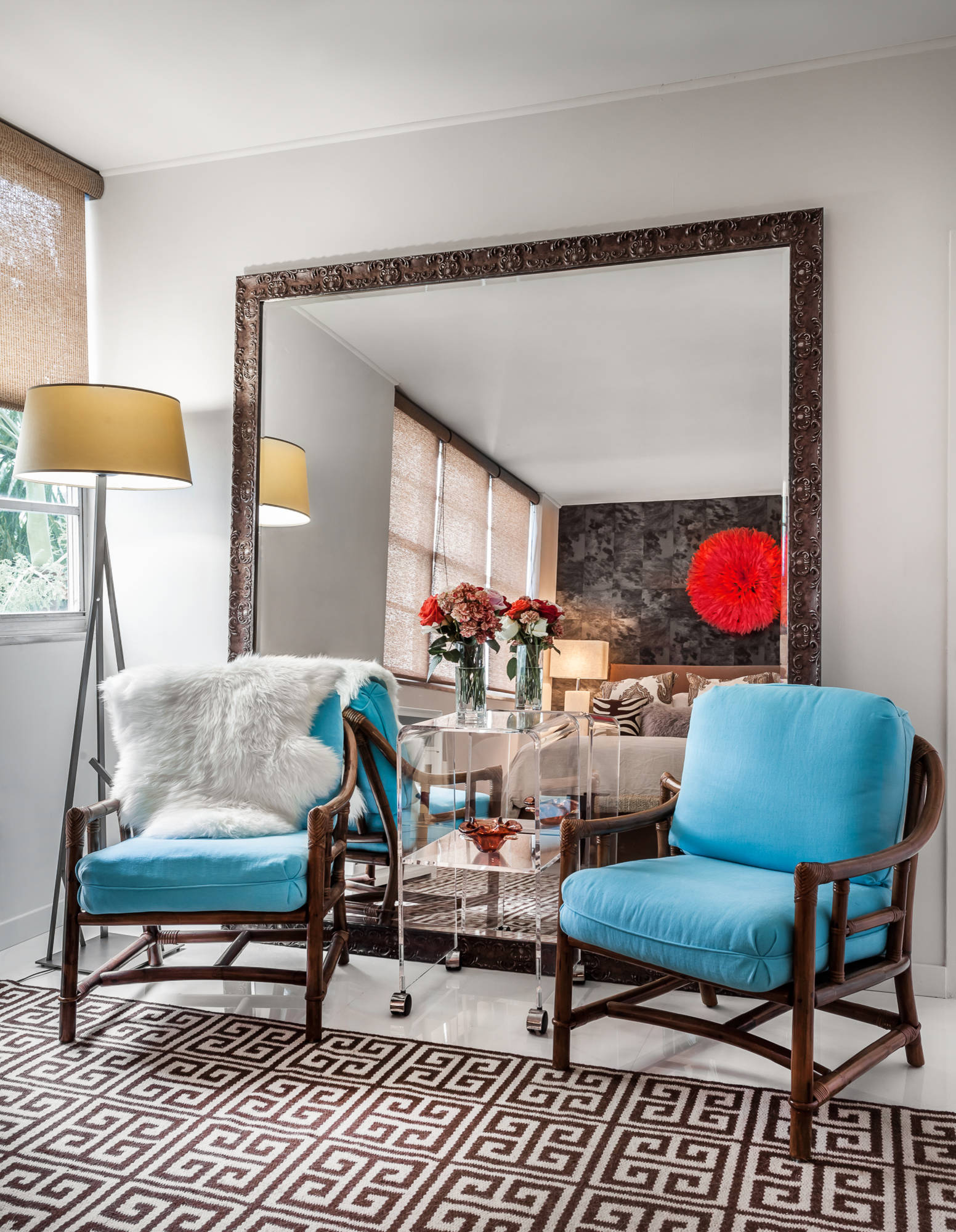
11 Ways to Use Mirrors to Make Your Space Look Bigger
Source: www.houzz.com

Room-by-room mirror strategies

Mirrors are versatile. Use different strategies depending on function and flow.

Living room

Place a large mirror above the sofa or fireplace to double the sense of depth. Mirrors can also reflect a garden view or a focal art piece, making the living area feel more open.

Dining room

Mount a mirror on the wall behind a sideboard to reflect a table setting and boost light during dinner. This also creates an elegant, airy dining experience.

Bedroom

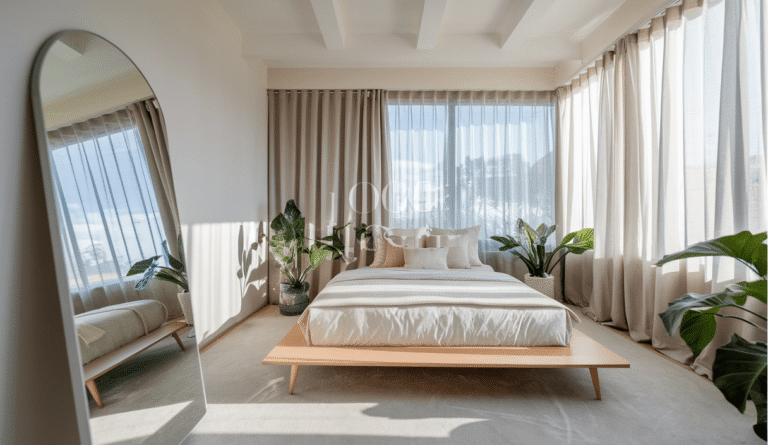
A tall mirror near a closet or leaning against the wall can make the room feel less boxed in. Mirrors also help reflect light from bedside lamps for a softer, more spacious feel.

Hallways and entryways

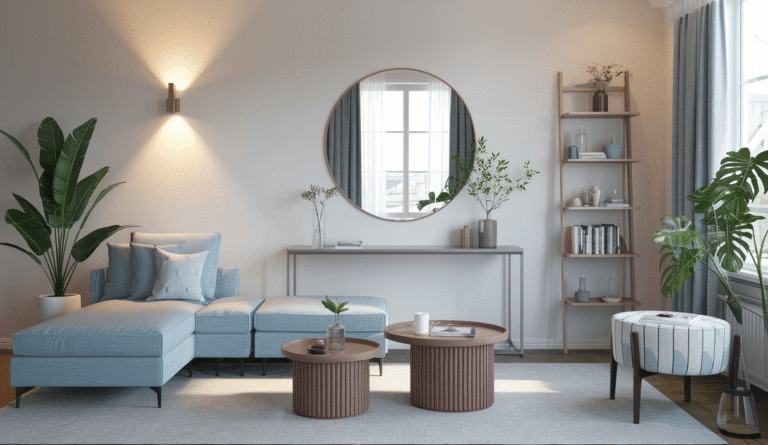
Mirrors at the end of a corridor or opposite a front door produce a sense of procession—adding depth to tight passageways. Small foyers benefit from a round mirror that visually widens the area.

Bathroom

Large vanity mirrors are practical and expand the visual field. Consider mirrored medicine cabinets to combine storage and space-doubling effect.

Practical tips for placing mirrors

Follow these simple rules to maximize the effect:
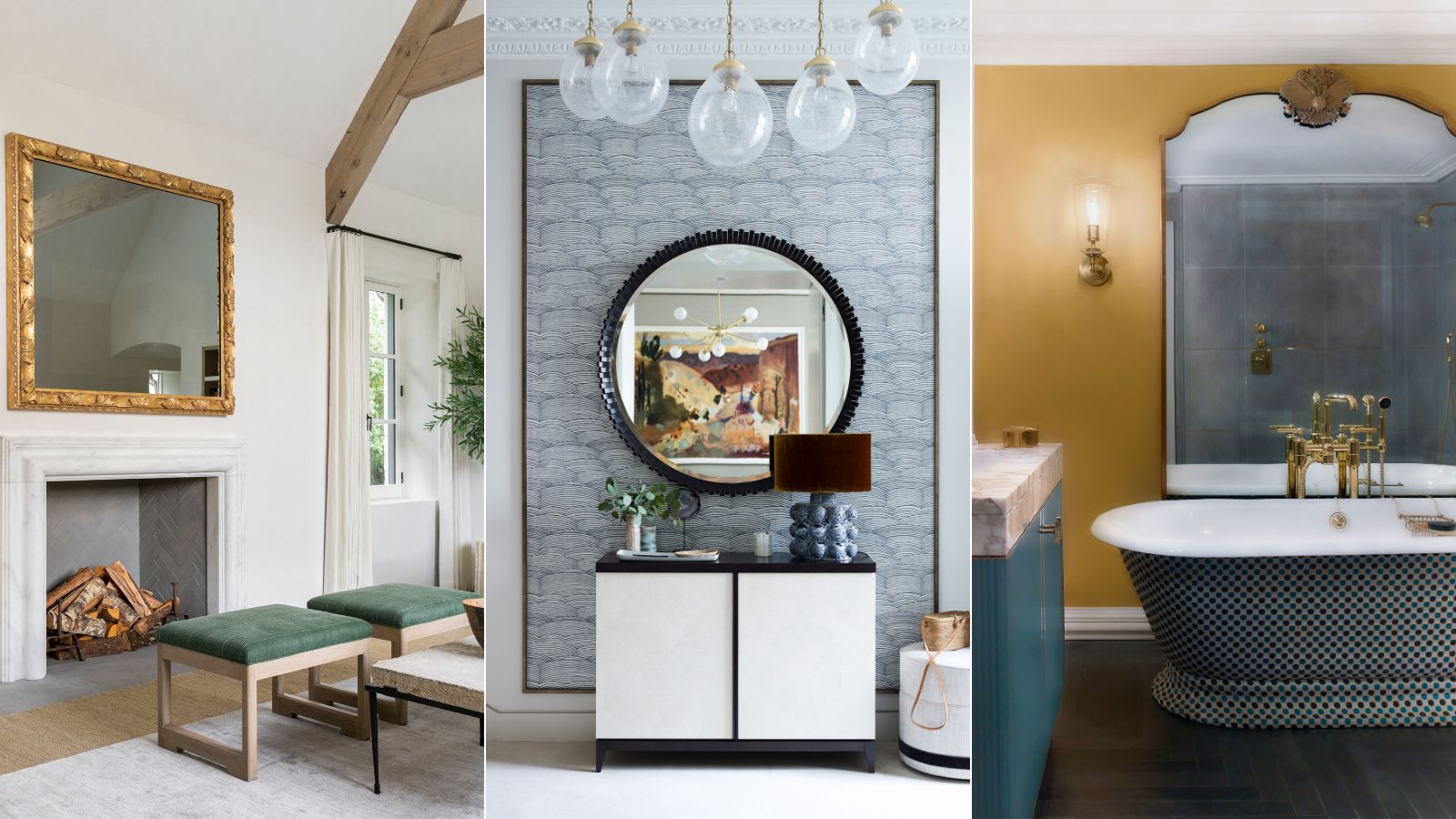
  • Reflect views, not clutter—aim mirrors at windows, art, or open sightlines rather than messy corners.
  • Use symmetry: Hanging a mirror opposite a window or centered above furniture creates balance and visual harmony.
  • Consider height: Hang mirrors so the center is roughly at eye level; taller mirrors for vertical emphasis.
  • Scale matters: A mirror should be roughly two-thirds the width of the furniture it sits above.
  • Group intentionally: Clustered mirrors should have a unified spacing and shape language for a cohesive look.
5 simple ways designers use mirrors to make a room look bigger ...
Source: www.homesandgardens.com

Creative mirror ideas you can try this weekend

Want quick wins? Try these approachable projects that use mirrors to make rooms look larger:

  1. Leaning floor mirror: Place a full-length mirror at an angle near a window to catch sky and greenery.
  2. Mirrored gallery wall: Mix mirrors with framed prints for a lively, reflective display.
  3. Mirror behind a console: Make a narrow hall feel like a room by adding a console and mirror combo.
  4. Mirrored cabinet doors: Swap or attach mirror panels to closet or cabinet doors for added depth.
  5. Temporary mirrored panels: Use adhesive mirror tiles for renters who want a non-permanent option (see tips at Archipro).
How To Use Mirrors to Make a Room Look Bigger – Mirror City
Source: www.mirrorcity.com.au

Common mistakes to avoid

Mirrors are powerful, but used poorly they can make a room feel awkward. Avoid these pitfalls:

  • Reflecting clutter or unattractive views—clean sightlines are essential.
  • Using too many mirrors in one small room—this can feel disorienting.
  • Hanging a mirror too high or too low—placement should suit eye level and furniture scale.
  • Mixing too many frame styles—coordinate frames for a cohesive effect.

Where to read more

For extra examples and designer tips, check these resources: Homes & Gardens for placement ideas, community conversation threads like the one on Facebook Home Design, and practical how-to posts such as Murphy Door for renter-friendly tips. Forums such as Quora and professional write-ups at Archipro are also helpful.

The finishing touches

Once you place mirrors, tune the rest of the room to reinforce the effect:

  • Keep decor low-profile near mirrored walls to maintain clear reflections.
  • Use soft, warm lighting near mirrors to avoid glare and harsh reflections.
  • Choose rugs and furniture with continuous lines to lead the eye through the space.

Using Mirrors to Make Rooms Look Bigger: Final checklist

Use this quick checklist before you hang a mirror:

  • Will it reflect light or a pleasing view?
  • Does the scale match the furniture or wall space?
  • Is the frame style coordinated with the room?
  • Are you avoiding unwanted reflections of clutter?
  • Is the mirror securely mounted or safely leaning?

Watch: Quick mirror styling demo

Watch this short video to see real-room installations and quick styling tips:

Maintenance: Keep mirrors looking their best

Clean mirrors with a microfibre cloth and a vinegar-water spray or a streak-free glass cleaner. Avoid abrasive pads that scratch the reflective surface. Check mounts and hooks periodically to ensure safety—especially for large or leaning mirrors.

Conclusion

Using mirrors to make rooms look bigger is a quick, affordable design upgrade with big visual returns. Start with one well-placed mirror and build from there—balancing light, scale, and style for the best effect. Ready to experiment? Try a leaning floor mirror or a mirror above your console this weekend.

For more practical home design guides, explore additional articles and inspiration at zenpulsehub.com —your next easy upgrade is one mirror away.

Can mirrors really make a small room look bigger?

Yes. Mirrors reflect light and create an illusion of depth, which makes a room appear larger. Positioning a mirror to reflect a window or open view is especially effective.

Where should I hang a mirror to maximize space?

Hang mirrors opposite windows, at the end of hallways, or above furniture to reflect sightlines and light. Aim for eye-level placement or lean a full-length mirror for vertical emphasis.

Is a large mirror better than several small ones?

A large mirror often creates a cleaner sense of space, while a group of small mirrors can add decorative interest. Use a large mirror for maximum expansion and clusters for artistic effect.

Are mirrored walls a good idea?

Mirrored walls can dramatically enlarge a space, but use them sparingly and avoid reflecting clutter. They work best as a feature wall in a controlled, tidy area.