Physical Address
304 North Cardinal St.
Dorchester Center, MA 02124
Physical Address
304 North Cardinal St.
Dorchester Center, MA 02124

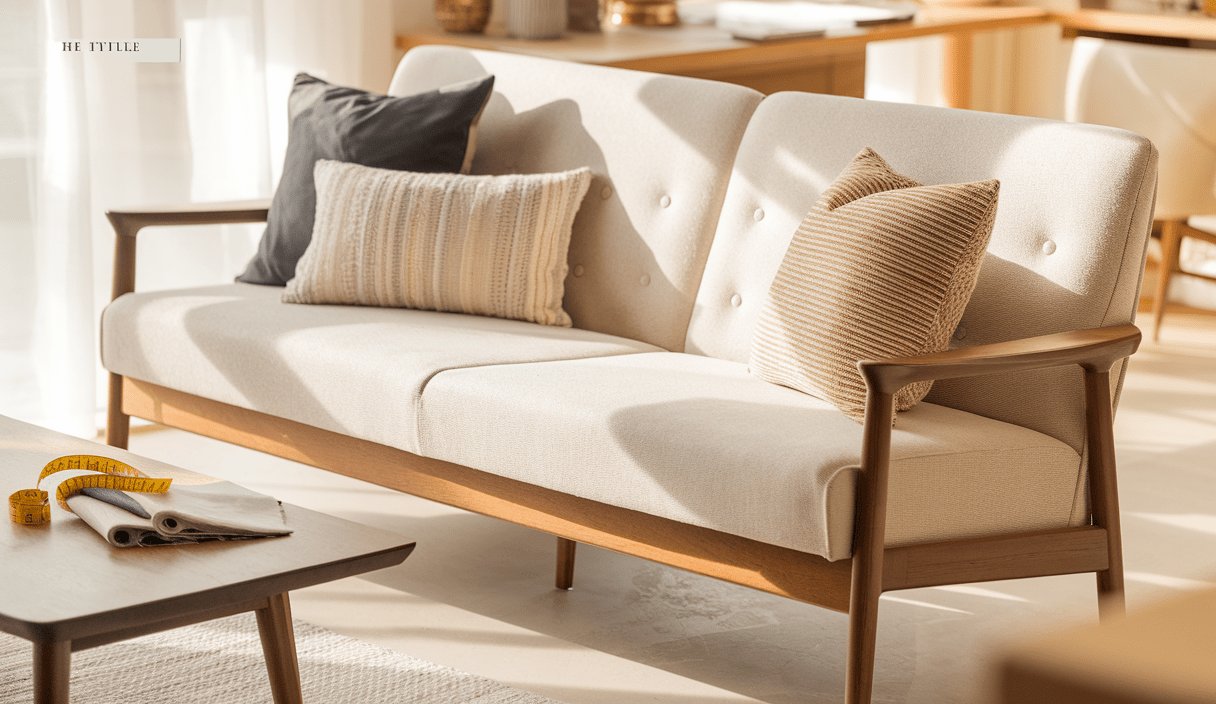
How to Choose the Right Sofa starts with a few smart questions: who uses it, how much space you have, and how you want it to feel. Picking a sofa is one of the biggest design and comfort decisions for your living room, so this guide breaks the process into clear steps you can follow today.

Before you fall for a style, measure your room. This step answers the big questions and keeps you within the right size range when shopping.

Sketch a simple floor plan or use masking tape on the floor to outline the sofa footprint. If you have an open-plan area, consider sectional pieces or modular sofas that let you shape the seating to suit the room.
Style matters, but so does the frame. Together they determine durability and how the sofa supports you.
Frame materials to look for:
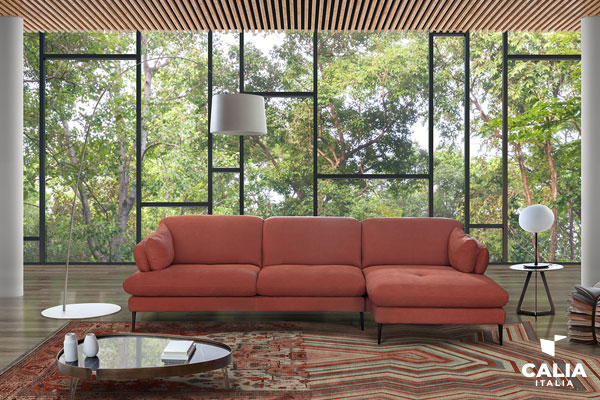
For inspiration and tips on choosing a model, see this useful roundup that explains quick decisions on model, colour and upholstery from Calia Italia (May 27, 2021).

Comfort often decides whether a sofa becomes your favorite spot. Think about seat depth, cushion fill, and back support.
Common fills:
Seat depth matters by use: 20-22 inches is standard for upright seating; 24 inches+ is better for lounging.
Your fabric choice affects maintenance, look, and lifespan. Think about who uses the sofa daily.
If you have kids or pets, prioritize performance fabrics. For design advice on balancing style with practical realities like family life, see this guide from Melissa Roberts Interiors.
Check manufacturer cleaning codes (W, S, W/S, X). W allows water-based cleaners, S needs solvent-based cleaners, and W/S accepts both. Spot test first.
Choose a color that fits the room’s mood and maintenance needs. Neutral tones last longer visually and are easier to refresh with cushions and throws.
For practical color and material advice tied to lifestyle, see JJones Design Co. (Jan 3, 2024).
:max_bytes(150000):strip_icc()/choose-right-sofa-GettyImages-2154998357-d95eced1fe9e4884b71eade106b72fa4.jpg)
Decide how much to spend. A higher budget usually gets longer-lasting frames and better cushions.
Shopping tips:
If you’re open to second-hand finds, community forums like this Reddit thread share real-world tips about quality brands and spotting durable pieces.
Check delivery terms. Does the company offer in-home setup, old furniture removal, or a trial period? These extras add value and reduce hassle.
Learn from common mistakes so you don’t make them:
Use this checklist to stay focused while shopping.
Choosing a sofa is about balancing form, function, and budget. Start with measurements, prioritize comfort features like cushion fill and seat depth, and pick a fabric that fits your family’s needs. With a clear plan, the right sofa will feel like it was always meant for your home.
Watch: How to Choose the Right Sofa – Video Guide
If you want deeper style guidance and examples, check these useful reads:
Tip: Always ask the seller about cleaning codes, cushion inserts, and warranty coverage so you’re not surprised after delivery.
Ready to find the perfect sofa? Use the steps above and your checklist when shopping. Start by measuring your space, narrow down to the frame and fill you like, and choose a fabric that matches your life.
If you’d like more design guides, explore additional resources and step-by-step articles to create a comfortable, stylish home.
Next step: Try the checklist now, and make a shortlist of three sofas to test in person or order swatches for at-home comparison.
Conclusion: You’re ready — confident choices make for a sofa you’ll love for years. For more helpful guides and inspiration, explore other articles at zenpulsehub.com.
Measure length, depth, and ceiling height. Use masking tape to mark the floor for a realistic footprint. Allow 30-36 inches for walkways and 18 inches around coffee tables. If in doubt, aim for a mid-sized sofa that leaves breathing room in the layout.
Solid hardwood frames, especially kiln-dried hardwoods like oak or beech, are the most durable. Look for joinery like corner blocks and double dowels; avoid cheap staples-only construction.
Performance fabrics and tight-weave synthetics are best. Microfiber, treated polyesters, and some blended fabrics resist stains and stand up to daily use. Leather is also durable but requires careful care around claws and heat.
Return policies vary. Choose retailers that offer trial periods or easy return logistics. Check delivery fees and restocking charges before purchase and confirm whether packaging needs to be kept for returns.