Physical Address
304 North Cardinal St.
Dorchester Center, MA 02124
Physical Address
304 North Cardinal St.
Dorchester Center, MA 02124

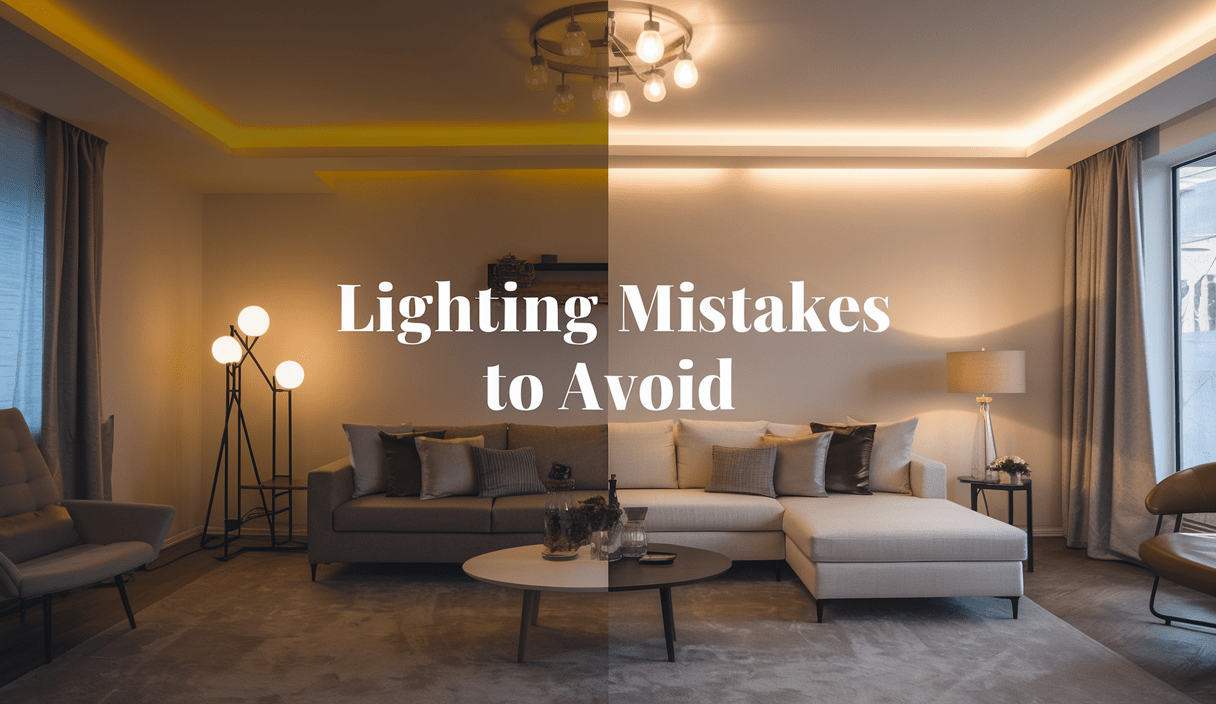
Good lighting changes how a home looks and feels. In this guide you’ll learn the most common Lighting Mistakes to Avoid and simple fixes that anyone can apply. Read on for practical tips, room-specific solutions, and a quick checklist to make your space brighter and more inviting.
Lighting sets mood, improves function, and can make rooms look larger or cozier. But a few simple errors—wrong bulb color, one light source, or poor fixture placement—can undo even the best décor. This article highlights the top Lighting Mistakes to Avoid and gives clear, inexpensive fixes.
Many homes have one overhead fixture and nothing else. That makes rooms flat and creates shadows. The fix: use layered lighting—ambient, task, and accent.
Choosing bulbs that are too cool (blue) or too warm (orange) can make skin tones and surfaces look wrong. Most living areas do well with 2700K–3000K (warm white). Use brighter, cooler light for home offices or work areas.
Oversized lights in a small room or tiny pendants over a large dining table look off. Think scale and position—fixtures should be sized to the room and placed to avoid glare.
Dimmers add versatility. A bright room for cleaning, soft light for movie night. Swap standard switches for dimmers wherever possible.
Poorly lit sinks, vanities, or counters cause frustration. Add under-cabinet lights in kitchens and vertical lighting beside mirrors in bathrooms to reduce shadows.
Flooding a yard with fixtures creates glare and wastes power. Use targeted landscape lights and shield fixtures to avoid exposing the bulb to the eye.
Mixing different color temperatures and brightness levels makes spaces feel inconsistent. Replace mismatched bulbs with the same wattage and color temperature for harmony.
Dirty fixtures, incorrectly angled stake lights, and wires visible across beds reduce impact. Clean fixtures annually and position lights so they highlight features, not the bulb.

Different spaces have different needs. Here are focused tips for rooms you use most.
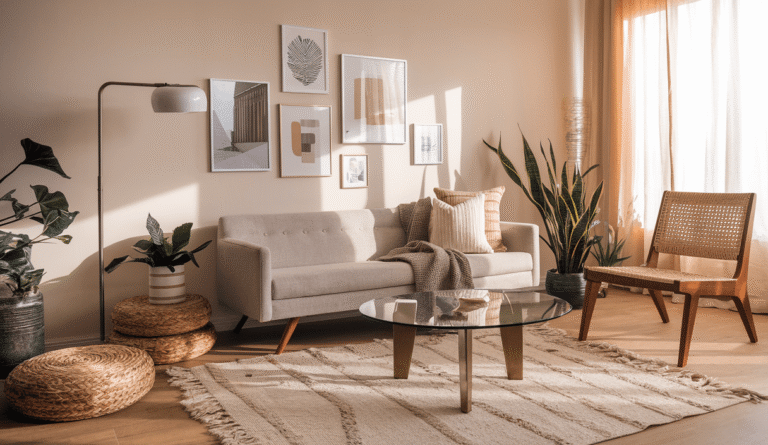
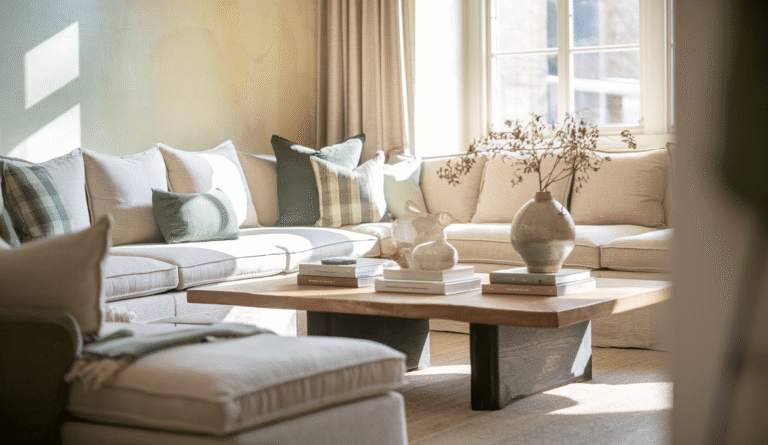
Layer light with a central fixture, floor lamps, and table lamps. Use accent lights for art or shelves. Place lamps at different heights to reduce flatness.
Install bright, even ambient lighting plus task lighting over counters and islands. Avoid only recessed cans—pendants above islands add style and focus.

Avoid ceiling-only lighting that casts shadows on faces. Install vertical lighting on both sides of the mirror or a lighted mirror. Aim for high CRI bulbs for better color accuracy.
Create a restful mix: a soft ambient light, bedside reading lamps, and accent lighting. Use warmer bulbs (2700K) to help signal winding down.
Use low-voltage fixtures, shielded lights, and targeted uplighting or downlighting. Avoid exposing bulbs to the path of sight—this reduces glare and improves the scene.

Before you buy fixtures or bulbs, follow these simple steps to avoid costly mistakes.
If you want deeper guidance, trusted resources and product guides help avoid repeating common errors. For example, a practical breakdown of everyday problems and fixes is available at Lumens’ guide on 5 common lighting mistakes and how to fix them, which covers issues like uncomfortable lighting and too-big fixtures.
For advice on choosing fixtures and avoiding basic selection mistakes, see this helpful list of errors to avoid when choosing lights for your home from TCPi: Mistakes to avoid when choosing lights. It highlights problems like relying only on can lighting and ignoring color temperature.
Kitchen-specific guidance is covered well by Pooky in their piece on common kitchen lighting mishaps and fixes—the ideas are practical if you’re updating island pendants or under-cabinet lighting: 6 kitchen lighting mistakes and how to avoid them.
For landscape lighting specifics—like hiding the light source and proper fixture aim—VOLT Lighting’s guide on landscape lighting design mistakes is a great reference: Avoid landscape lighting design mistakes.

Not every improvement needs a contractor. Here are cost-effective changes with big impact:
Even pros notice repeated mistakes: over-reliance on recessed lights, poor coordination between fixture style and room scale, and forgetting to consider sunlight during planning. Avoid these by sketching a simple lighting plan before buying anything.
Before finishing a room, run through this quick checklist:
Fixing common errors often requires only a few bulbs, a lamp, or a dimmer switch. Remember that the best lighting plan is flexible: mix light types, stay consistent with color temperature, and place fixtures to reduce glare and shadows.
Lighting Mistakes to Avoid—now that you know the list, you can tackle the most common issues with confidence. Start with a 20-minute audit and one small change; you’ll notice the difference immediately.
For living rooms and bedrooms, choose warm white (2700K–3000K). For kitchens, bathrooms, or workspaces, 3000K–4000K provides clearer, more neutral light. Keep adjacent rooms consistent to avoid visual clashes.
Yes—LED bulbs work in most fixtures. Match the bulb base and ensure dimmer compatibility if the fixture uses a dimmer. Replace dimmers with LED-compatible models if needed.
Add under-cabinet lighting for counter tasks and replace a single overhead light with layered lighting—pendants, recessed lights, and under-cabinet strips create a functional and attractive kitchen.
Use shielded fixtures and aim lights at features, not toward walkways or neighbors’ windows. Consider low-voltage LED fixtures and timers or motion sensors to reduce waste and glare.
Want more practical guides? Explore more articles and how-tos to refine your home design and lighting choices. For fresh tips and step-by-step guides, check out additional resources and continue learning at zenpulsehub.com.