Physical Address
304 North Cardinal St.
Dorchester Center, MA 02124
Physical Address
304 North Cardinal St.
Dorchester Center, MA 02124
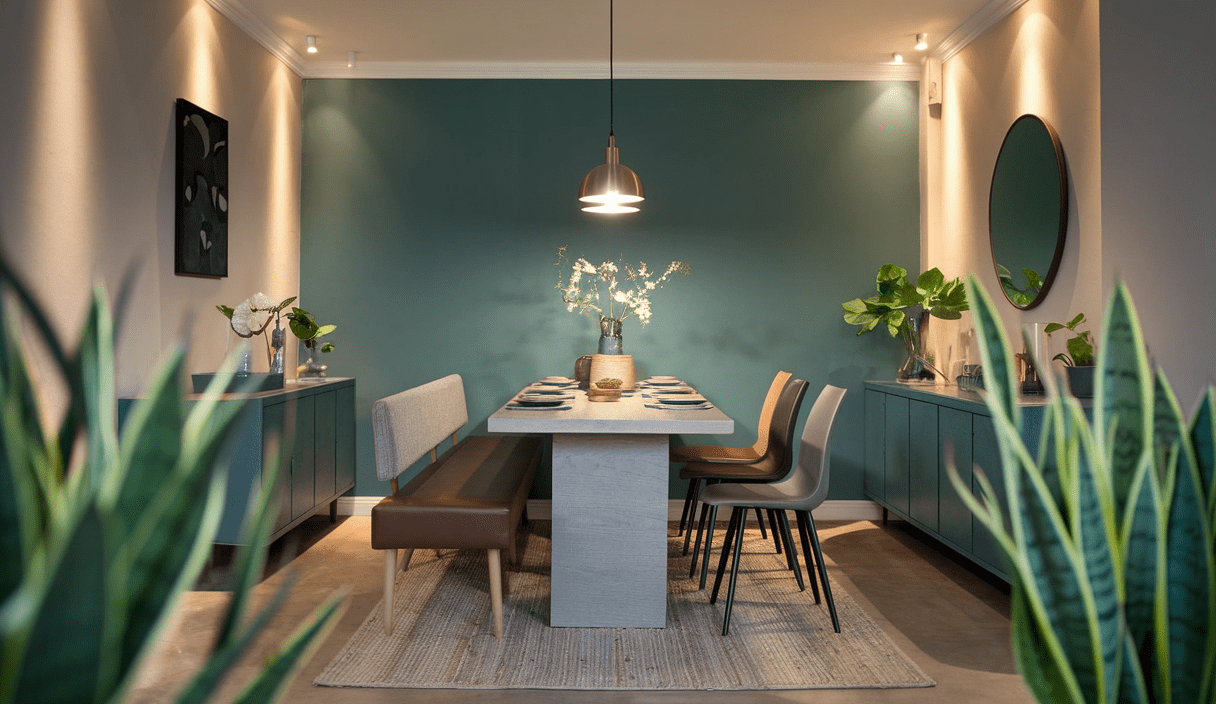
Design a Functional Dining Space that fits your life, not a showroom. Whether you dine daily, host weekend gatherings, or need a multi-use corner for work and meals, this guide gives clear, practical steps to make your dining area beautiful and useful. Read on for layout tips, furniture picks, lighting ideas, and storage solutions you can implement this weekend.

A well-designed dining area improves everyday life. It reduces clutter, makes meals more comfortable, and can double as a homework or work-from-home station. If you Design a Functional Dining Space with intention, you’ll save time and enjoy the room more.
Begin by asking simple questions: Who uses this space? How often? Do you host? Do you need storage or a workspace? Use direct answers to set priorities — seating, flow, and storage usually top the list.
Take these basic steps:
For specific sizing and spacing guidance, see this helpful resource on measurements: Key Measurements for a Functional Dining Room.

Table shape and placement affect traffic flow and comfort. Here’s how to choose:
Mix chairs and a bench to save space and add visual interest. Benches slide under the table when not in use and can hide storage cushions or baskets.
Good lighting layers task, ambient, and accent lights. A dimmable pendant or chandelier over the table gives control for meals and tasks. Add a wall sconce or floor lamp in corners to reduce shadows and create balance.
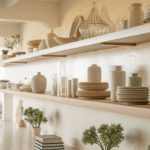
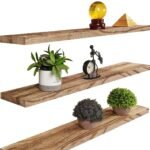
To truly Design a Functional Dining Space, add storage and flexible surfaces. A slim sideboard, storage bench, or wall shelving keeps dishes, linens, and barware handy.
For inspiration on turning dining spaces into multi-use areas — think coffee bars or wine corners — check this evolution of multi-function dining rooms: Designing a Multi-Function Dining Room.

Choose furniture that balances scale, storage, and comfort. Look for pieces with clean lines so the room feels open, and pick materials that can handle spills if the table sees heavy use.
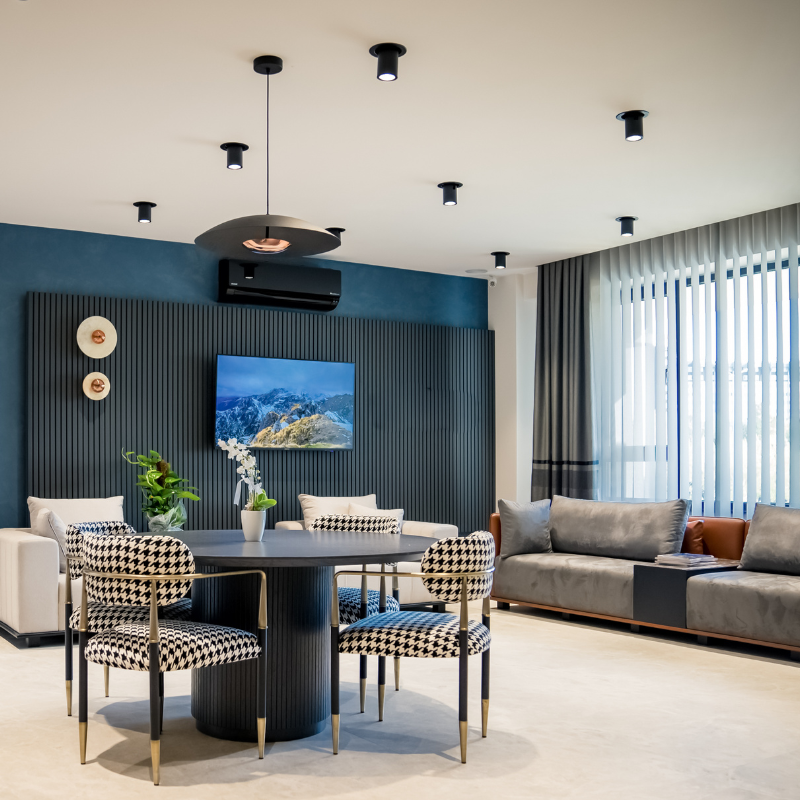
Small dining areas need smart solutions. Use light paint, mirrors, and multipurpose furniture. Built-in banquettes and corner desks can turn awkward nooks into efficient, cozy zones.

Choose rugs, cushions, and table linens that resist stains and add warmth. Layer textures — wood, metal, and soft fabric — for a balanced, lived-in look.
Want to use the dining room for work, learning, or a bar? Create zones. For example, a sideboard can double as a coffee station. Add a privacy screen or slender bookshelf to separate work from dining when needed.
Communities often share creative solutions — try this Reddit thread for user-submitted ideas and setups: Creating a more functional dining area. It includes tips like adding a cozy reading nook and using plants to soften corners.
For examples of people transforming awkward rooms into useful dining spaces like coffee or wine bars, see this community evolution piece: Designing a Multi-Function Dining Room. Also browse local home design groups for ideas about converting formal dining rooms into home offices while keeping openness: Home Design and Decor — Facebook group post.
Avoid these pitfalls:
Define the dining area with a rug and a centered pendant. Use a slim buffet behind the table to act as a visual separator without blocking light.
Install a banquette, tuck a round table in the corner, and add a shelf above for dishes or decor. For bench seating with extra storage suggestions, check community posts and tips such as: Home Design group idea.
Scenario: a 9×9 foot nook beside the kitchen. Solutions that worked:
These moves kept the area flexible for meals and remote work while feeling cohesive and tidy.
People share real setups and feedback in community threads and design blogs. For user suggestions about reading nooks and adding a bench, see this Reddit thread: Creating a more functional dining area. For professional measurement tips, visit DKOR Interiors: Key Measurements for a Functional Dining Room.
Allow at least 36 inches behind chairs for comfortable movement. If space is tight, 30–32 inches can work, but it will feel snug.
Yes. Use a fold-away desk or create a separate zone with shelving and a slim desk. Add a privacy screen if you need separation for calls and focused work.
Round or drop-leaf tables are ideal because they take up less visual space and improve traffic flow in tight areas.
Add closed storage like a sideboard or storage bench and use baskets to hide work materials. Clear the table nightly to keep the area ready for meals.
Ready to transform your room? Use this guide to Design a Functional Dining Space that fits your routine, style, and budget. For more real-life examples and step-by-step guides, explore the links above and try one idea this weekend.
Short, motivating call-to-action: Explore more practical guides and design tips at zenpulsehub.com and start creating spaces that make daily life calmer and more beautiful.