Area Rug Size: How to Choose the Perfect Rug

Area Rug Size: How to Choose the Perfect Rug

Area Rug Size: How to Choose the Perfect Rug

Choosing the right area rug size can transform a room — grounding furniture, adding warmth, and balancing scale. This guide breaks down simple rules and room-by-room examples so you can pick a rug that looks intentional and fits your space.
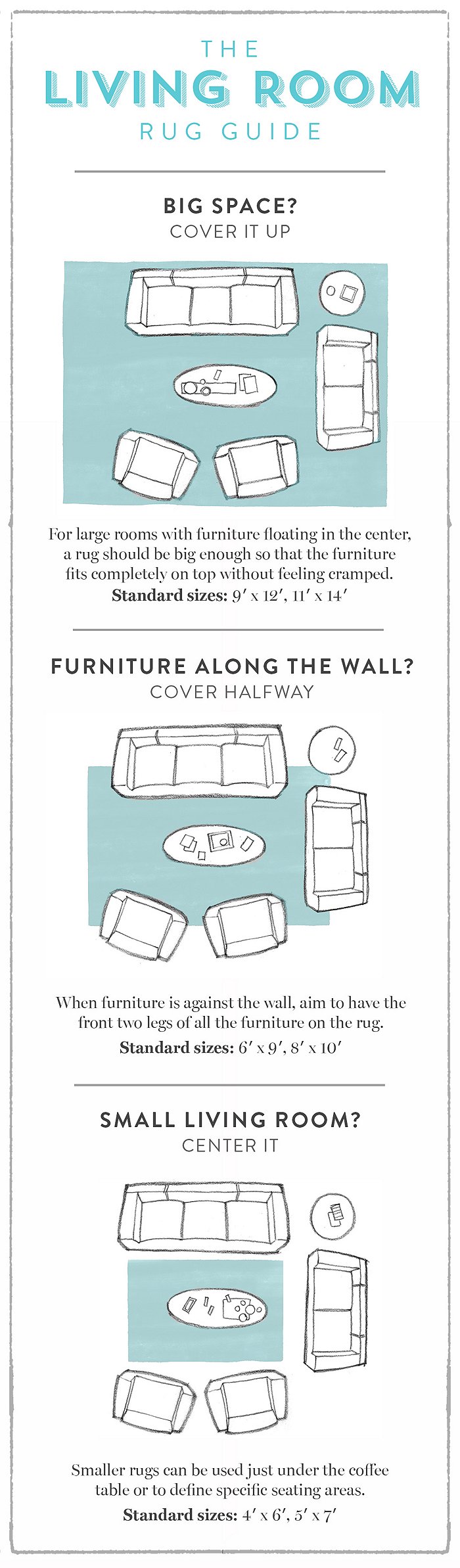
Rug Guide: A Room-by-Room Guide to Rug Sizes – One Kings Lane
Source: blog.onekingslane.com

Why rug size matters

A rug that’s too small can make a room feel chopped up; a rug that’s too big may swallow furniture and look awkward. The right rug size helps create a clear visual field and improves comfort underfoot. Below you’ll find easy rules, quick measuring tips, and examples for every room.

Area rug size: Quick rules to remember

Start with these trusted rules-of-thumb. They make shopping faster and take the guesswork out of choosing a rug:

  • Define the seating area — a rug should anchor the seating group, not just sit between pieces of furniture.
  • Leave a border — typically keep 12–18 inches of floor visible between the rug edge and walls in living rooms, and 18–24 inches in larger rooms.
  • All legs on vs. front legs on — in living rooms either place all furniture legs on the rug (ideal for large rugs) or at least the front legs on the rug for a cohesive look.
  • Fit the table — in dining rooms, choose a rug that extends at least 24 inches beyond the table edges so chairs remain on the rug when pulled out.

Quick measuring steps

  1. Measure the full furniture footprint (sofas, chairs, coffee table) in the seating area.
  2. Mark preferred wall borders using painter’s tape — this helps you visualize the rug size.
  3. Decide if you want furniture legs fully on the rug or just the front legs; this changes the recommended rug width by 18–36 inches.

Living room rug sizes and layouts

Living rooms are where rugs make the biggest style statement. Use these examples to pick an area rug size that works for your layout.

Standard living room setups

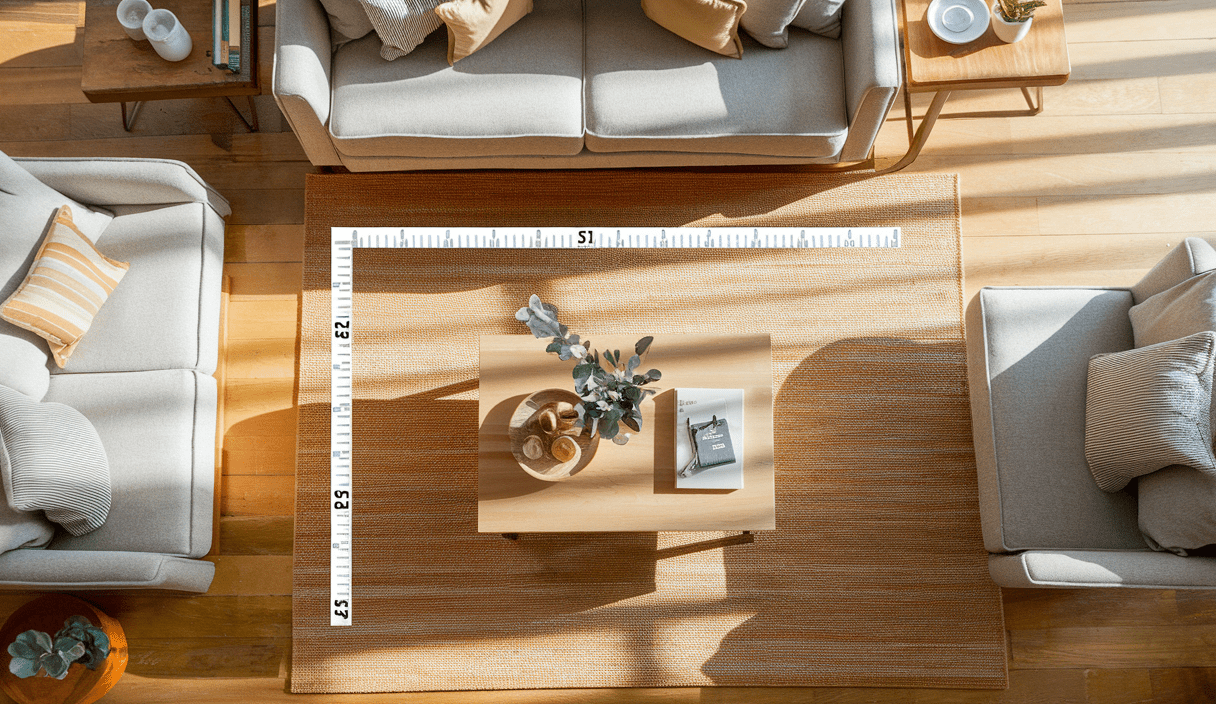
Common rug sizes: 5’x8′, 8’x10′, and 9’x12′. Which one you choose depends on furniture layout:
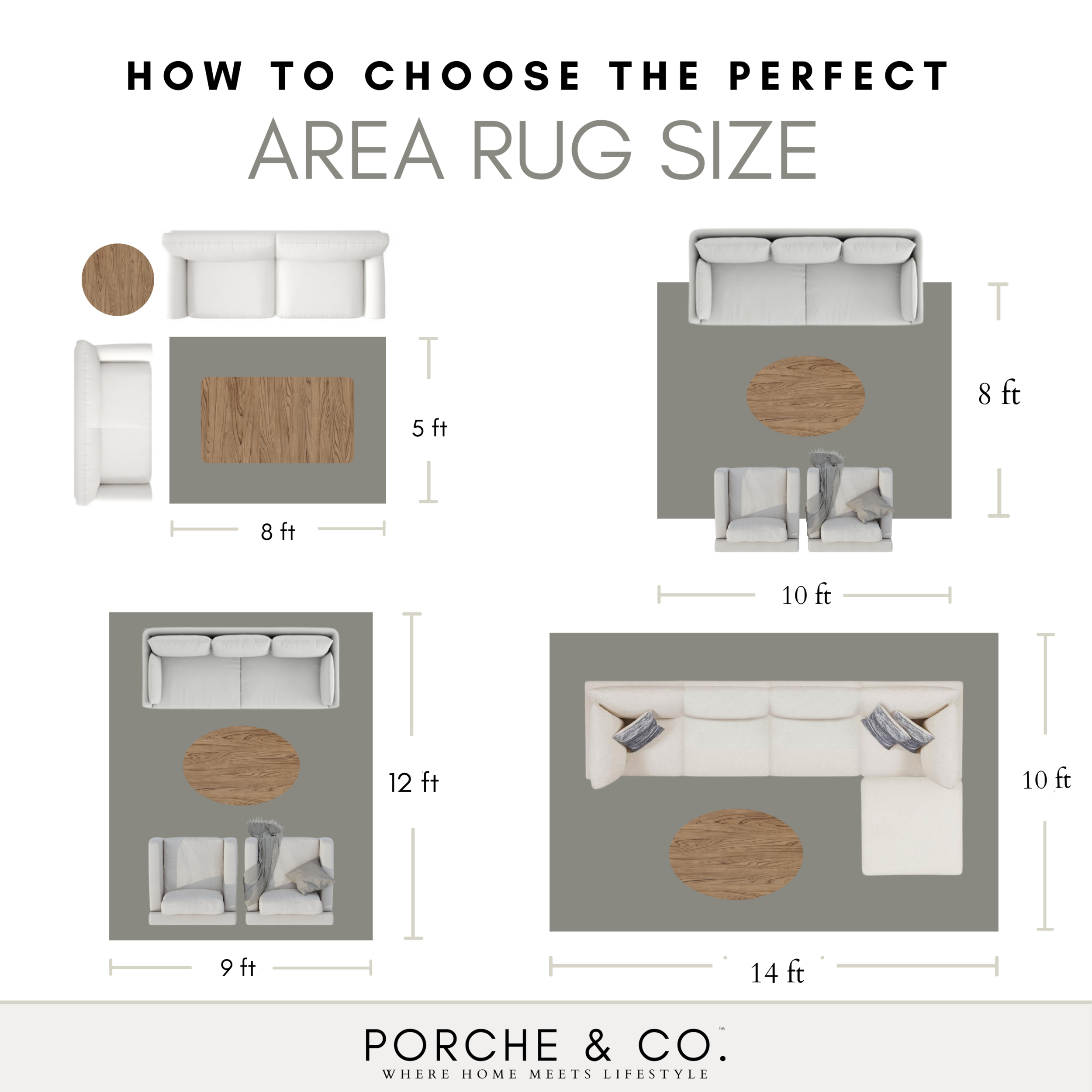
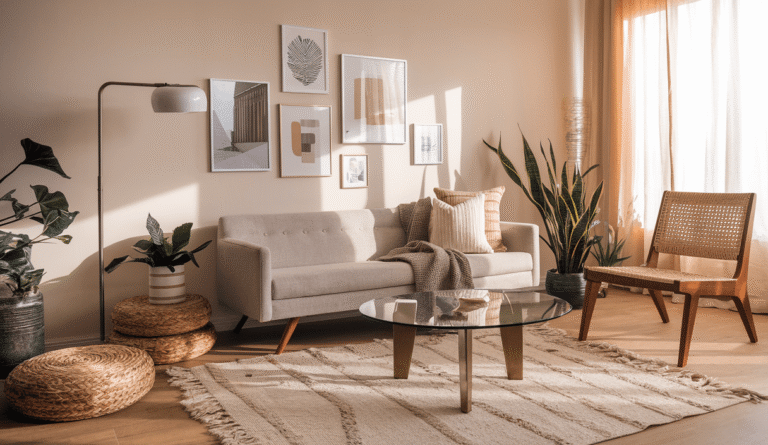
  • Small living rooms: Use a 5’x8′ rug where the front legs of the sofa and chairs rest on the rug.
  • Average living rooms: An 8’x10′ rug can fit under a coffee table with front legs on the rug and leave a consistent floor border around the room.
  • Large living rooms: A 9’x12′ rug allows all furniture legs on the rug — this is the most polished look.
Porche & Co. Tips & Tricks:: What Size Rug Should I Choose for my ...
Source: porcheandco.com

Designer trick

If you’re unsure, shop for a rug that’s the biggest you can afford — larger rugs tend to look better and make rooms feel more cohesive. For more pro tips, check this designer trick from Room for Tuesday (roomfortuesday.com).

Dining room rugs

For dining areas, the most important factor is chair movement. Aim to keep chairs on the rug even when pulled out. This typically means adding at least 24 inches on all sides beyond the table edge.

Example sizes:

  • Table for 4: 6’x9′ or 8’x10′ rug
  • Table for 6: 8’x10′ rug
  • Table for 8+: 9’x12′ rug

If you want a crisp visual guide, this DIY rug sizing article walks through several real examples (thediyplaybook.com).

Bedroom rug sizes

Bedrooms benefit from soft rugs underfoot. A rule that works most of the time: place a rug so that it extends beyond the sides and foot of the bed.
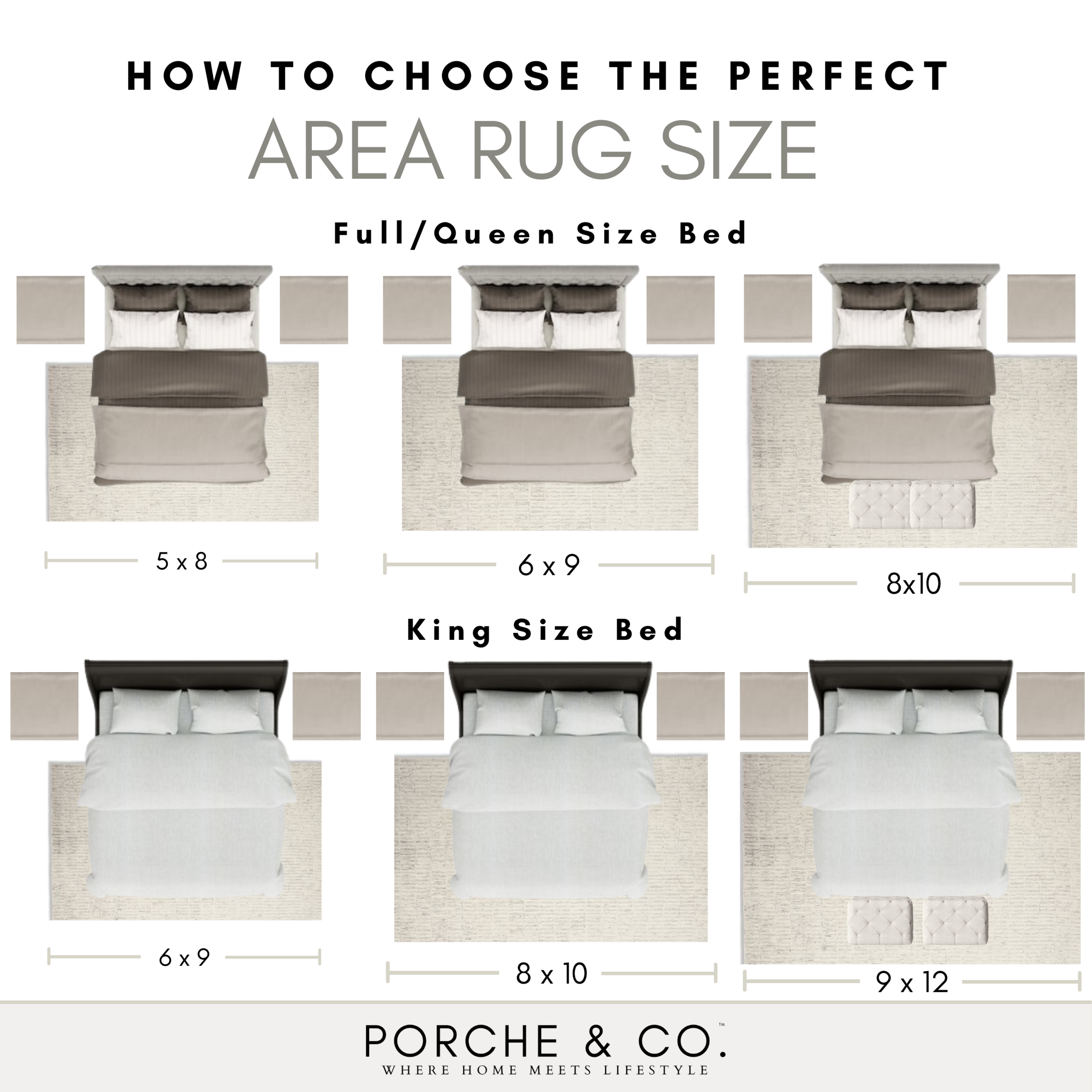
  • Queen bed: 8’x10′ — place under the bed leaving 24–30 inches around sides and foot.
  • King bed: 9’x12′ — this fits under a king with generous side and foot coverage.
  • Small bedrooms: Use runners on either side of the bed (2.5′ x 8′ or similar) if a full rug won’t fit.
Porche & Co. Tips & Tricks:: What Size Rug Should I Choose for my ...
Source: porcheandco.com

Entryways, kitchens, and awkward spaces

In high-traffic or narrow spaces, choose rugs that match the scale of the walkway. Runners (2’6″–3′ wide) work great in hallways and kitchens. Entry rugs should be wide enough for a door to open without catching the edge.

Tips for odd layouts

  • For L-shaped rooms, consider two rugs to define separate zones.
  • In open-plan spaces, use one large rug to anchor the whole seating area and maintain visual flow.
How to Choose the Perfect Living Room Rug Size | Choose Now!
Source: the-rugs.com

Materials and scale: matching rug texture to room use

Size is one part of the decision. Rug material affects feel, durability, and cleaning needs. Consider these quick match-ups:

  • High traffic living rooms: low-pile wool or synthetic blends for durability.
  • Under dining tables: flatweaves that resist stains and are easier to clean.
  • Bedrooms: plush, higher-pile rugs for a soft landing when you step out of bed.

How to test rug sizes at home

Before you buy, tape out the rug perimeter with painter’s tape or kraft paper. This gives a real-life preview of how the rug feels with furniture and traffic flow. If you’re still stuck, watch a short visual guide on rug sizing for quick inspiration:

Video: How to choose the perfect rug size — for an easy visual walkthrough.

Shopping tips and return policies

Rugs can look different in photos than in your room. Always check return policies and sample options. Many retailers offer free swatches or generous return windows — use them. For a deeper tutorial style video, Emily Henderson’s guide is a helpful watch (How to choose the perfect rug size).
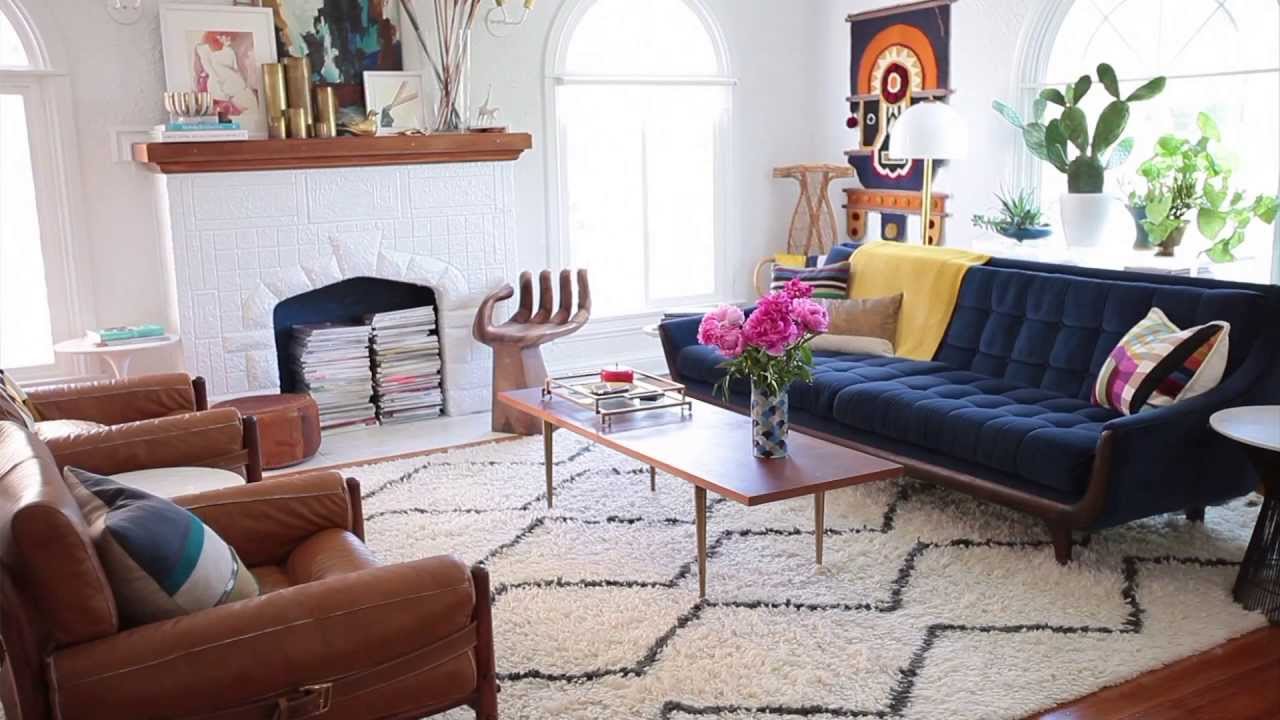
How to choose the perfect rug size - YouTube
Source: www.youtube.com

Common mistakes and how to avoid them

  • Too small: Avoid rugs that only sit under a coffee table with nothing else on them — they look like an afterthought.
  • Too big: If a rug extends to the walls and leaves no visible floor border, it may overwhelm the space.
  • Ignoring traffic paths: Make sure daily walkways remain clear and natural when a rug is placed.

More resources and visual inspiration

Want a step-by-step visual or additional tips? These guides are great next reads and videos:

How to Choose the Perfect Living Room Rug Size | Choose Now!
Source: the-rugs.com

Final checklist before you buy

  • Measure your seating footprint and mark boundaries with tape.
  • Decide whether front legs on or all legs on the rug suits your look.
  • Choose a rug material that matches traffic and cleaning needs.
  • Confirm return policy, delivery time, and sample availability.

Bottom line: Pick the largest rug you can afford that still fits the scale of the room and follows the simple rules above. When you get the size right, your whole room will look intentional and balanced.

If you’d like visual examples or a printable size cheat sheet, check the how-to guides and videos linked above — they make choosing an area rug size easy and fun.

Happy decorating — now go measure and pick the rug that will tie your room together!

Frequently Asked Questions

How do I know what area rug size will fit under my sofa?

Measure the sofa width and allow at least 12–18 inches of rug beyond each arm if you’re using front-legs-on placement. For a more formal look, choose a rug wide enough for all sofa legs to sit on it.

Can I use a round rug in a rectangular room?

Yes. Round rugs work well under round dining tables or as a focal point in seating nooks. Ensure the rug is large enough so chairs sit partially on it and maintain visual balance with surrounding furniture.

What is the best rug size for small living rooms?

Choose a 5’x8′ rug and place front legs of the furniture on the rug. This anchors the space without making the room feel crowded. If possible, opt for the largest rug that still leaves a visible border around the room.

How much rug should extend beyond my dining table?

Plan for at least 24 inches of rug beyond each side of the table so chairs remain on the rug when pulled out. This prevents tipping and keeps the look polished.

Enjoyed this guide? Explore more room-by-room decorating tips and guides on zenpulsehub.com — your next favorite idea is waiting.