Physical Address
304 North Cardinal St.
Dorchester Center, MA 02124
Physical Address
304 North Cardinal St.
Dorchester Center, MA 02124

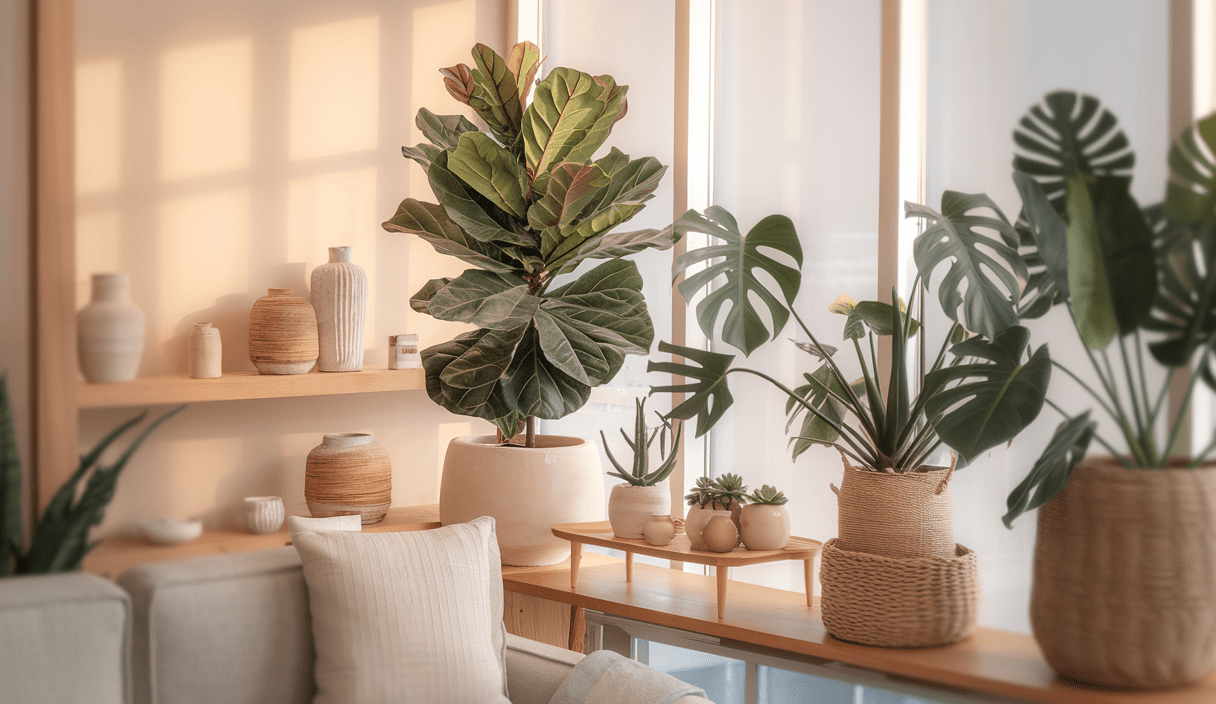
Best Indoor Plants for Home Aesthetics bring life, texture, and color to your rooms while boosting mood and style. Whether you live in a small apartment or a house with large windows, this guide helps you pick plants that look gorgeous and are easy to care for.

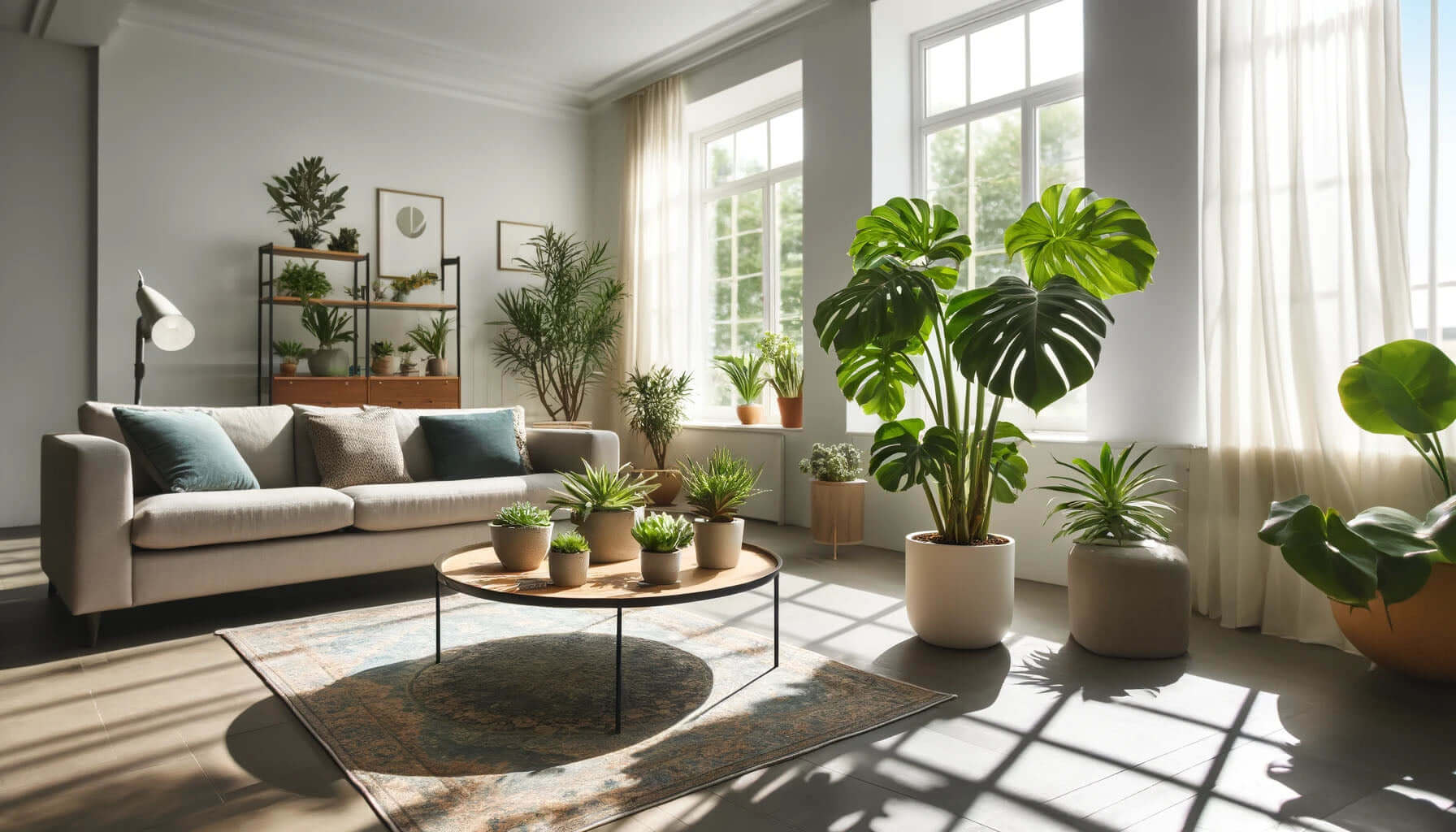
Plants do more than fill empty corners. They create focal points, soften hard lines, and tie together a room’s color palette. Choosing the Best Indoor Plants for Home Aesthetics means considering shape, size, texture, and how they pair with furniture and light.
Start by identifying your home’s vibe: modern, boho, minimalist, or classic. Then think about these simple rules:
Below are reliable, stylish houseplants that are popular for their looks and relative ease of care. Each entry includes styling tips and basic care notes.
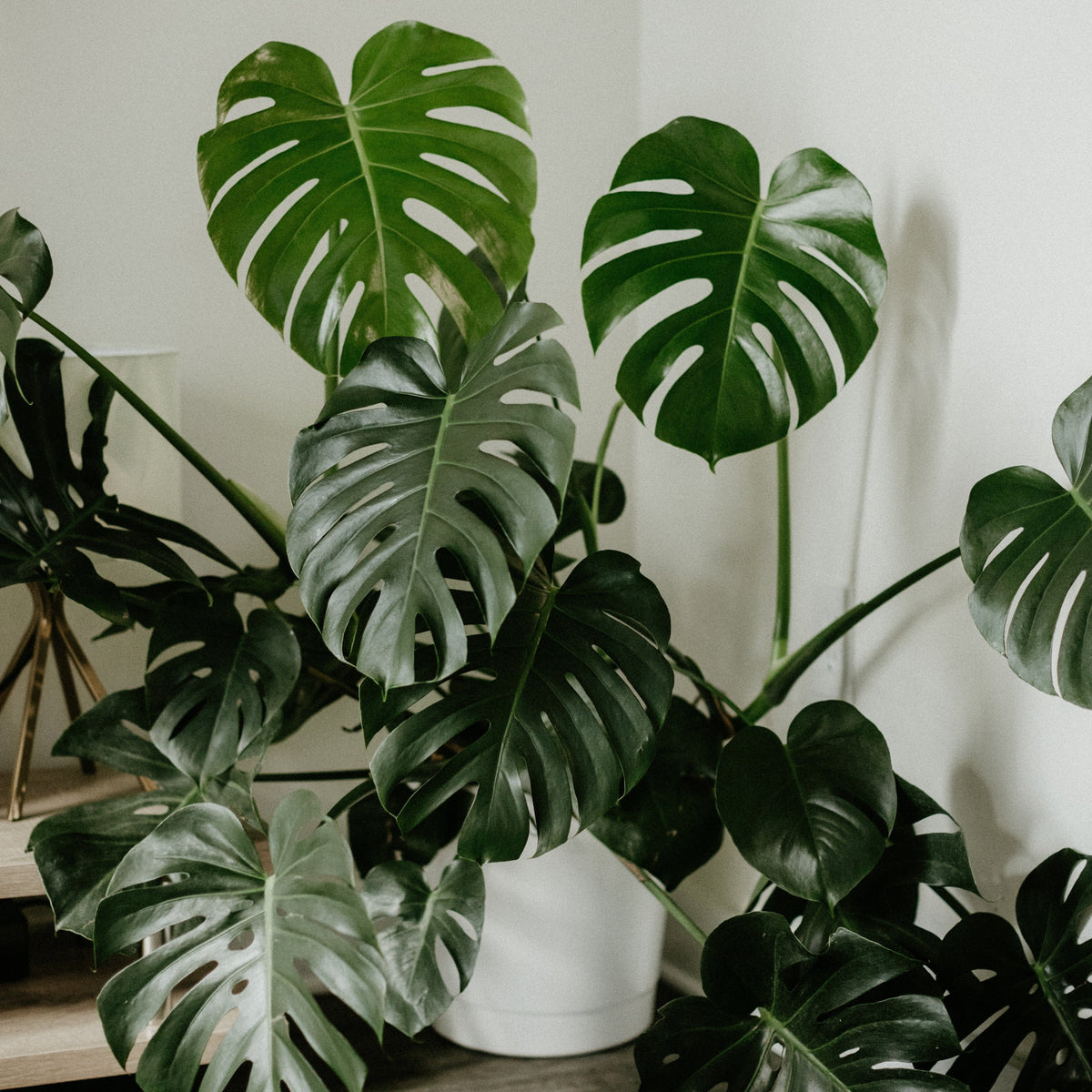
Monstera adds bold, sculptural leaves that make any room feel curated. It thrives in bright, indirect light and likes moderate watering. Use it as a living focal point in living rooms or large hallways.
The fiddle leaf fig delivers an elegant, architectural silhouette. It needs bright, consistent light and gentle rotation to grow evenly. Pair it with mid-century furniture for a timeless look.
With glossy, dark leaves the rubber plant is perfect for modern interiors. It tolerates lower light than some tropicals and prefers slightly drier soil between waterings.
Majesty palms bring a tropical, relaxed feel. They look great in bright rooms and soft corners that need height. Keep humidity up and avoid drafts.
For a minimalist or modern desk setup, marimo moss balls are charming and maintenance-light. Keep them in fresh water and indirect light. Their round shape adds a whimsical touch to shelves and coffee tables.
This dramatic plant gives a vacation vibe with big, banana-like leaves. It prefers bright light and occasional feeding. Place near sunny windows for best growth.
With its perfectly round leaves, the Chinese money plant suits modern, Scandinavian, and minimalist interiors. It likes bright, indirect light and a little rotation so leaves grow evenly.
Strategic placement amplifies a plant’s visual impact. Try these simple setups:
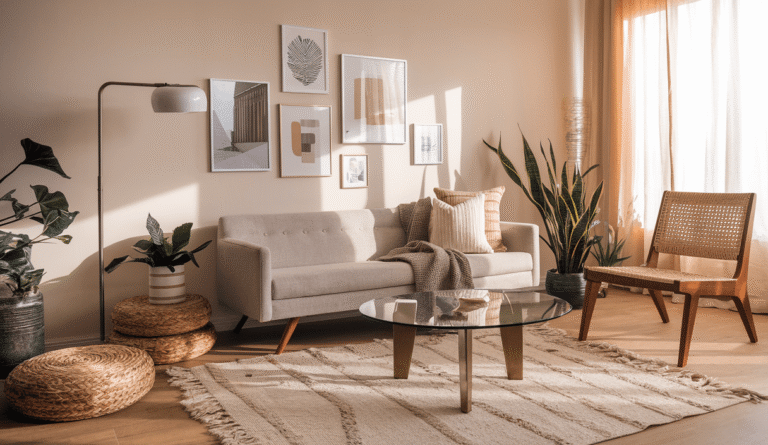
Pots are an extension of decor. Use woven baskets for boho vibes, matte ceramic for minimalism, and glazed pots for a colorful pop. Plant stands create interest and keep floors tidy.
Good looks follow good care. Keep these tips simple and consistent:

Plants can improve air quality, reduce stress, and boost focus. Trusted sources, like Good Housekeeping, list aesthetic and health-forward plants such as ferns, palms, monstera, and fiddle leaf figs as both stylish and beneficial. See their full guide for extra ideas: Good Housekeeping’s aesthetic plant guide.
If you travel or are new to plants, choose resilient varieties: snake plant, pothos, ZZ plant, and marimo moss balls. They tolerate variable care and still look great.
Quality matters. Local nurseries often carry healthier stock than big-box stores. Community groups and forums can offer helpful tips on trusted sellers. For example, gardeners on PHS Online share beginner-friendly plant lists and placement tips: PHS Online’s common houseplants guide. Social groups also discuss reliable local sources: a Grand Rapids community post highlights where to find plants less likely to carry pests (Grand Rapids group), and houseplant hobbyists trade tips in Facebook communities and Reddit threads (Houseplant Lovers group and Reddit houseplants).

Use plants like decor elements. Here are easy ways to make them pop:
If a plant looks unhappy, check these common issues:
Match plants to furniture finishes. Dark wood pairs well with rich green foliage, while bright white interiors benefit from sculptural silhouettes like monstera or fiddle leaf figs. For small spaces, choose slim, tall plants to add height without crowding.
Watch this short walkthrough for styling ideas and easy arrangements.
When chosen well, the Best Indoor Plants for Home Aesthetics do more than decorate: they transform rooms into calmer, more inviting spaces. With simple care and thoughtful styling, you can build a plant collection that feels curated and effortless.
Ready to level up your space? Explore our related guides and get inspired by creative plant pairings and care tips from trusted resources and community forums listed above.
Conclusion: Embrace plants as living decor and let your home tell a greener story. For more step-by-step styling and plant care guides, explore more articles on zenpulsehub.com.
Odd numbers (3 or 5) create a natural look. Mix sizes and heights to build depth and interest.
Snake plant, ZZ plant, and some philodendrons tolerate low light and are great for rooms without strong sunlight.
Buy from reputable sellers, inspect leaves closely, and quarantine new plants for a week. Check community posts and local groups for recommended nurseries to avoid pest-prone stock.
Use a well-draining mix. Cacti and succulents need a grittier mix, while tropicals prefer peat-based blends that retain some moisture.