Physical Address
304 North Cardinal St.
Dorchester Center, MA 02124
Physical Address
304 North Cardinal St.
Dorchester Center, MA 02124

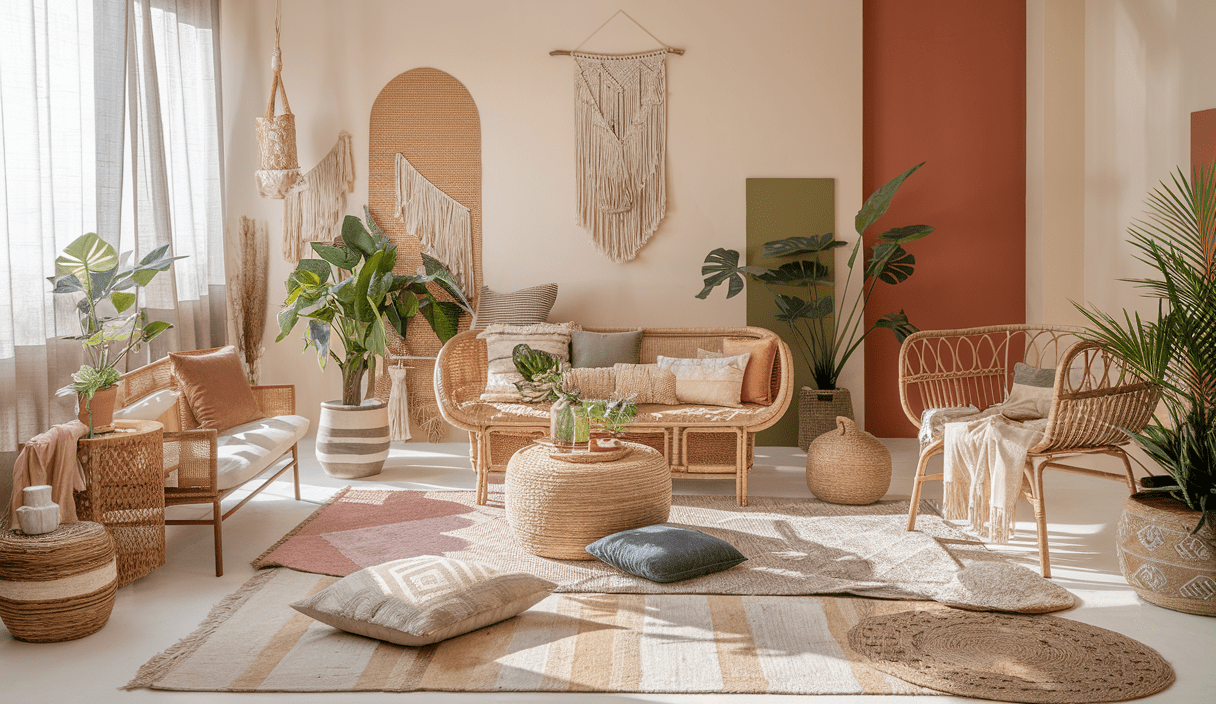
Boho Design is a warm, layered style that invites creativity and comfort into your home. If you’re new to the look, this guide walks you through the essentials — from color palettes and textures to DIY projects and shopping tips — so you can create a relaxed, personal space that feels effortlessly curated.
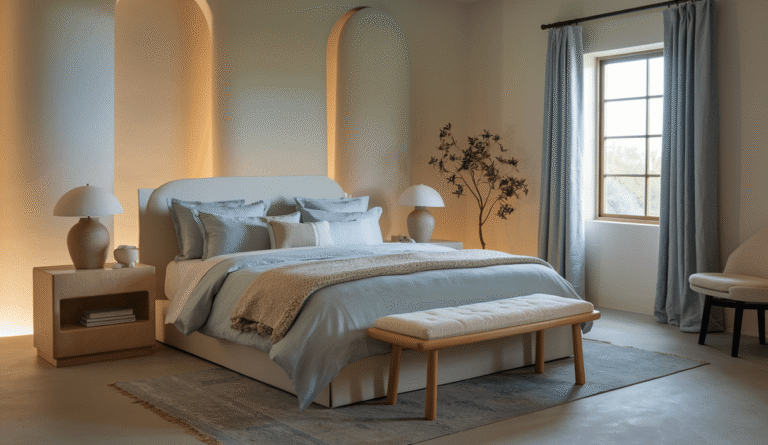
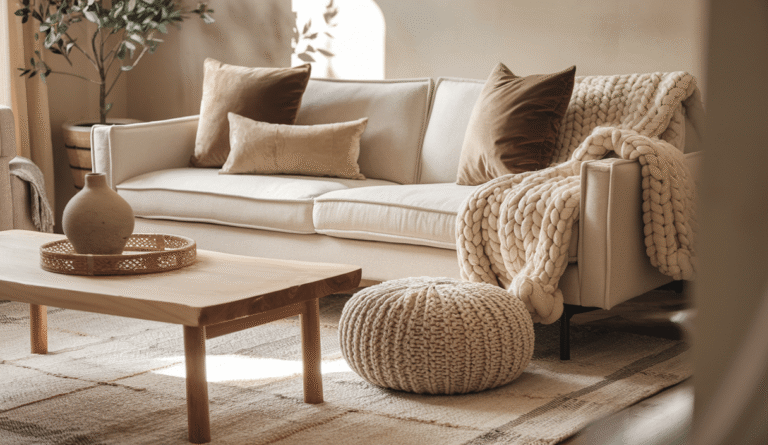
Boho Design (short for bohemian) blends global influences, vintage finds, and handcrafted pieces to form a free-spirited, eclectic space. It celebrates imperfection, mixes patterns, and emphasizes natural materials like rattan, wood, and woven fibers.
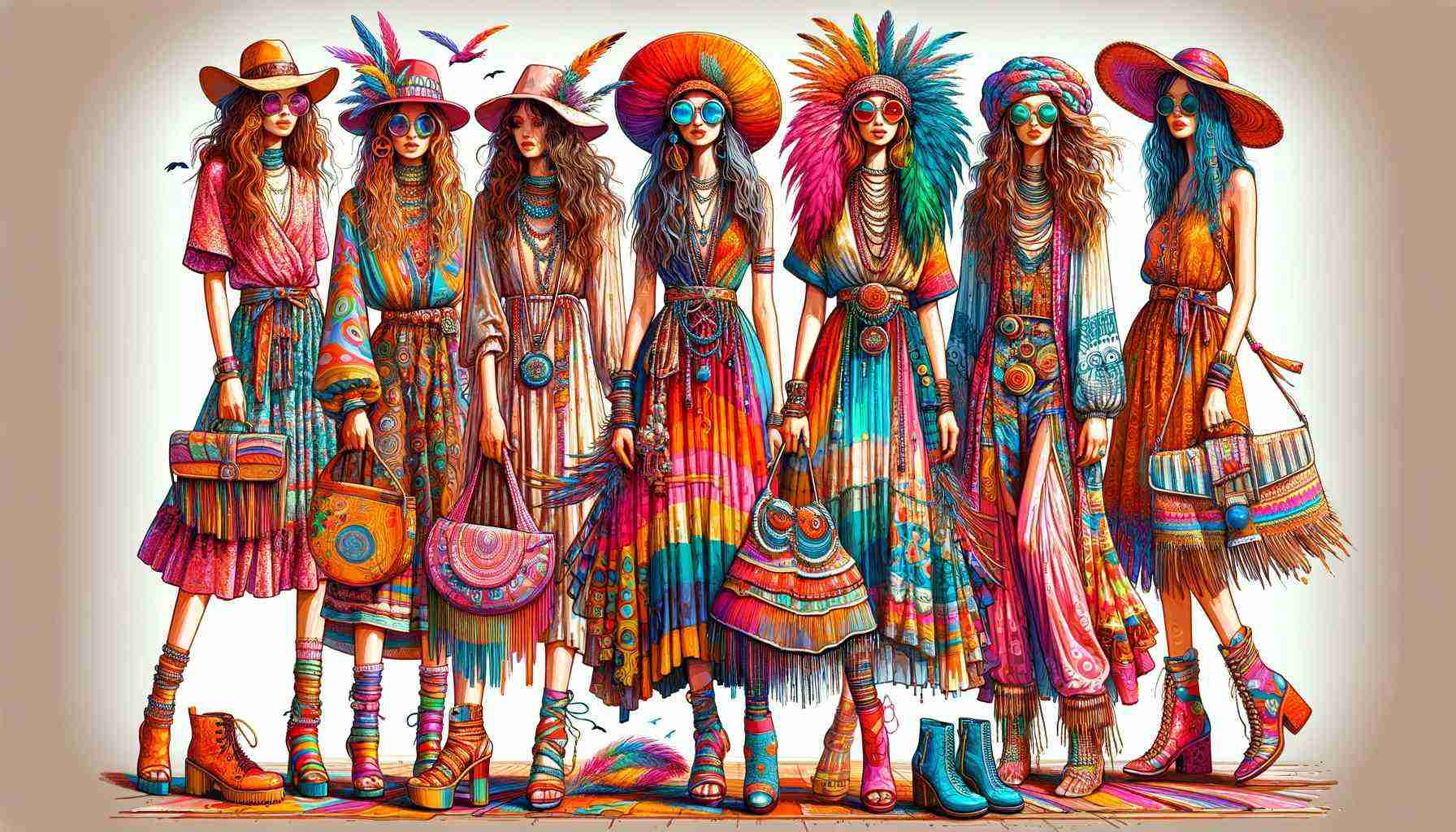
Start with a foundation and add personality. The easiest way to begin is to pick a neutral base, then layer textures, patterns, and color accents. Keep in mind that Boho Design values comfort and individuality over strict rules.
Use a warm neutral base like soft white, ivory, or warm beige. Add earthy accents — terracotta, olive green, mustard, and deep blues — to bring depth and interest.
Textures are what make boho spaces feel lived-in. Mix:

Follow these simple steps to create a cohesive Boho Design in any room.
Paint walls in a warm neutral. This gives your colorful textiles and art room to stand out without feeling chaotic.
Layering rugs adds warmth and visual interest. Combine different scales of pattern, but keep a consistent color story to avoid clashing.
Combine thrifted finds with modern pieces for a curated look. This is where the style feels personal and unique.
Indoor plants are a must. Use a mix of hanging plants, tabletop succulents, and floor specimens to create layers of green life.
Handmade items like macramé, crochet, and pottery give a boho room soul. If you don’t make them yourself, hunt them down at local markets or online shops.
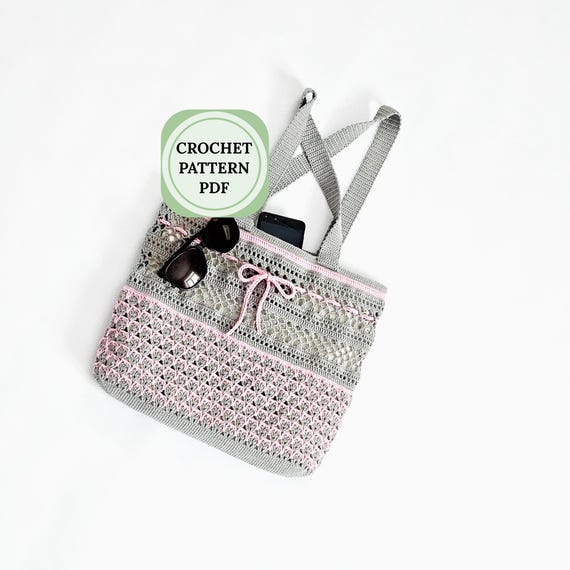
Making a few pieces yourself is an affordable way to personalize your boho space. Try these beginner-friendly projects:

Boho style thrives on unique pieces. Mix handmade goods, new artisan items, and vintage finds. Here are reliable places to look:
Boho can blend well with modern or minimal pieces. Use clean-lined furniture as anchors, then soften edges with textiles and plants. This creates balance and keeps the room from feeling cluttered.
To learn more about Boho Design history and where the trend came from, this beginner’s guide to boho at Clary Sage College gives a concise history and context for the aesthetic. For floral styling and adding botanicals to your boho room, check out a modern floral arranging guide for simple, beginner-friendly tips (Stevie Storck).
You don’t need a big budget to get the boho look. Focus on a few high-impact items:

If you want guided projects, consider beginner craft books listed on major retailers for step-by-step help — for example, beginner macramé and crochet guides are great for creating signature pieces (check related guides on Amazon and Etsy shown above). Reddit and community forums can also help with practical advice and feedback — see discussions on designing living spaces for beginners (Reddit: Beginner’s Guide to Designing a Space).
Boho is relaxed, but it still needs upkeep. Dust woven items gently, rotate plants for even light, and declutter surfaces seasonally. This keeps the space feeling fresh and intentional.
Boho Design is forgiving and fun. With a few thoughtful additions, you can transform any room into a cozy, creative haven that reflects your style.
Boho Design mixes global influences, vintage pieces, and handcrafted items to create a relaxed, personal space. It emphasizes texture, plants, and layered textiles.
Start with textiles like rugs and pillows, add a wall hanging or tapestry, and introduce a few plants. Thrifted accessories can quickly shift a room toward boho with little cost.
There are no strict rules, but a good approach is to keep a consistent color palette and vary pattern scale — pair large-scale prints with small, simple patterns to keep balance.
Look for beginner books and online tutorials. Community forums and groups (like the Facebook macramé group linked above) also offer guides and project ideas to help you get started.
Ready to try Boho Design in your home? Start small, have fun, and build a space that tells your story. For more style and decor guides, explore additional resources and how-tos — and be sure to check out more guides on zenpulsehub.com for fresh ideas and step-by-step projects.