Physical Address
304 North Cardinal St.
Dorchester Center, MA 02124
Physical Address
304 North Cardinal St.
Dorchester Center, MA 02124

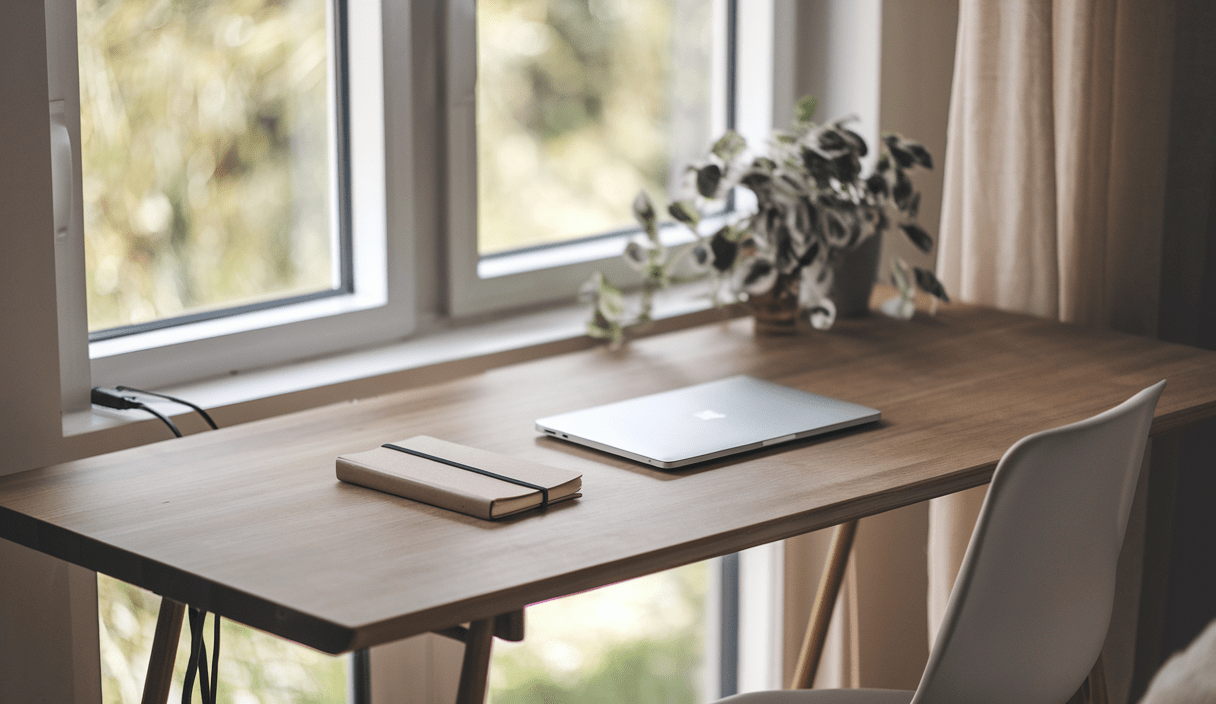
Create a Clutter-Free Workspace to improve focus, calm your mind, and get more done each day. A tidy desk isn’t just about looks — it changes how you work. Below you’ll find practical, friendly steps to clear the clutter, build routines, and keep the calm for good.

Clutter competes for your attention. When your desk is stacked with papers, mugs, and random cords, your brain spends energy sorting visual noise instead of focusing on the task. **Creating a clutter-free workspace** reduces distractions, speeds decision-making, and helps you enter work mode faster.
Start small and be decisive. The key is quick actions that create visible change.
Remove everything from your desk and only put back what you use daily. Keep items that support your current work and remove everything else. This is a fast way to see what’s essential.
Make three piles: Keep, Store, and Donate/Recycle. Limit the ‘Keep’ pile — aim for items that serve a direct purpose on the desk.
Assign nearby spots for frequently used items and out-of-the-way places for seldom-used items. If you have small drawers or baskets, label them to make returning items automatic.

Design matters. A clear layout helps sustain a clutter-free lifestyle. Consider these practical, low-cost shifts.
Keep only your monitor, keyboard, and essential tool(s) in front of you. Use vertical space for items like planners or inspirational notes. A small plant or single photo is fine, but avoid too many knickknacks.

Routines do the heavy lifting. Add a few minutes to the start and end of your day to keep clutter from coming back.
Choosing the right tools reduces visual clutter and supports flow.
Scan receipts and notes. Use a simple note app or digital planner to reduce paper buildup. If you prefer paper, limit yourself to one notebook and archive older ones.

Small behavioral changes make a big difference. Make the tidy choice the easy choice.
When you pick up an item, decide immediately whether to act on it, file it, or discard it. Avoid moving things around without making a decision.
Reduce sources of clutter: unsubscribe from paper mail where possible, go paperless for bills, and limit impulse purchases that add items without a purpose.
A tiny surface can still be tidy with clever tricks. Use vertical storage, under-desk organizers, and multi-use furniture.

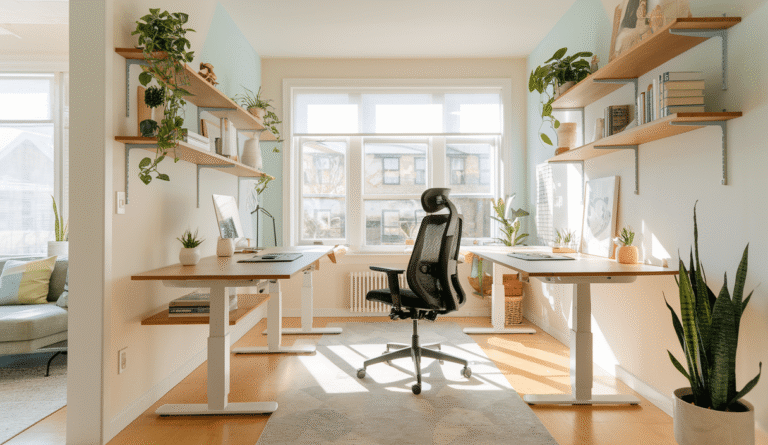
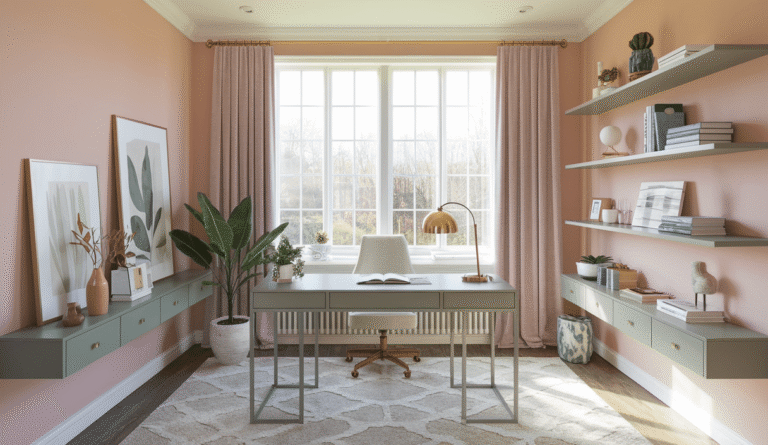
Wall shelves and small pegboards keep things off the desk but within reach. A sleek wall-mounted desk can replace bulky furniture and expand floor space.
Trays let you limit how much paper sits on your desk. When a tray fills, it’s time to process the contents — no slow accumulation.
Accountability helps. Set small goals and tweak systems when something stops working.
Ask three questions: What’s cluttering the desk? What took extra time? What helped my focus? Use answers to refine your set-up.
Share wins and get fresh ideas from others. For quick, real-world tips from people who practice minimal setups, see this Reddit discussion: How to keep a clutter-free desk (Reddit). The community there often talks about quick rituals like a start/stop session that sets the tone for the day.
For step-by-step home office declutter plans, check this helpful guide that outlines a seven-step plan to reclaim and organize your workspace: Simply Enough — Home Office.
If you’re designing a new office and want a checklist of practical organizing steps, this article lists nine easy-to-follow actions to get and keep your office organized: The Decor Fix — 9 Steps to an Organized Office.
There are also friendly, active groups where people share photos, setups, and advice for keeping workspaces tidy — consider browsing forums like the Workspace Setup Addicts Facebook group for inspiration and real-life solutions.
Here are quick solutions to recurring challenges.
Solution: Add an ‘inbox’ tray with a weekly processing time. Scan or file each item immediately when you touch it.
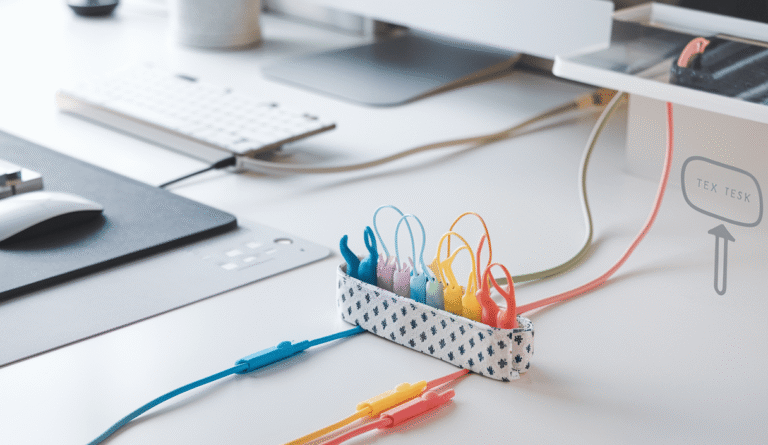
Solution: Use a simple cable sleeve and a labeled charging tray. Only keep chargers you need weekly.
Solution: Create a visible ‘donate/toss’ box and clear it once a week. If something lands on the desk, decide its fate within 24 hours.
Use this mini-checklist each morning or evening to keep the habit strong.
If you like treat-by-treat guides, House & Garden recently shared stories on how decluttering improved people’s emotional spaces as well as physical rooms — a good reminder that cleaning your desk can clear mental clutter too: House & Garden — Organise & Declutter.
Seeing other setups can spark ideas. Check creative layouts for small desks and minimalist systems for real-life inspiration. If you need ideas for small spaces with no drawers, bloggers offer honest setups and clever tricks: see an example here for ideas on organizing a small desk without drawers.
When you Create a Clutter-Free Workspace, you free up time, reduce stress, and make room for your best work. The goal isn’t perfection — it’s a workspace that supports what you do. Start small, stay consistent, and adapt solutions that fit your life.
If you’re ready to go deeper, explore guided step-by-step plans and community tips linked above. And remember — keep it simple and kind to yourself as you build new habits.
Create a Clutter-Free Workspace is possible in small steps. Start today and notice the difference by tomorrow.
Want more tips and step-by-step guides? Explore more at zenpulsehub.com for practical, calming guides that help your daily life.
You can see big improvements in one hour by clearing surfaces and sorting items into Keep, Store, and Donate. Maintaining that state takes 5–10 minutes daily.
Use an inbox tray and a weekly processing session. Scan or digitize what you need and file the rest. The goal is to limit desk piles to only active projects.
Yes. Use vertical storage, wall shelves, and a strict daily reset routine. Small desks benefit most from disciplined storage and a one-touch rule.
Look to active communities and blog guides. Try the Reddit thread on minimal desk habits, the Simply Enough home office guide for step-by-step plans, and The Decor Fix for organizing checklists. For visual inspiration, Facebook groups and Instagram setups are great too.