Physical Address
304 North Cardinal St.
Dorchester Center, MA 02124
Physical Address
304 North Cardinal St.
Dorchester Center, MA 02124

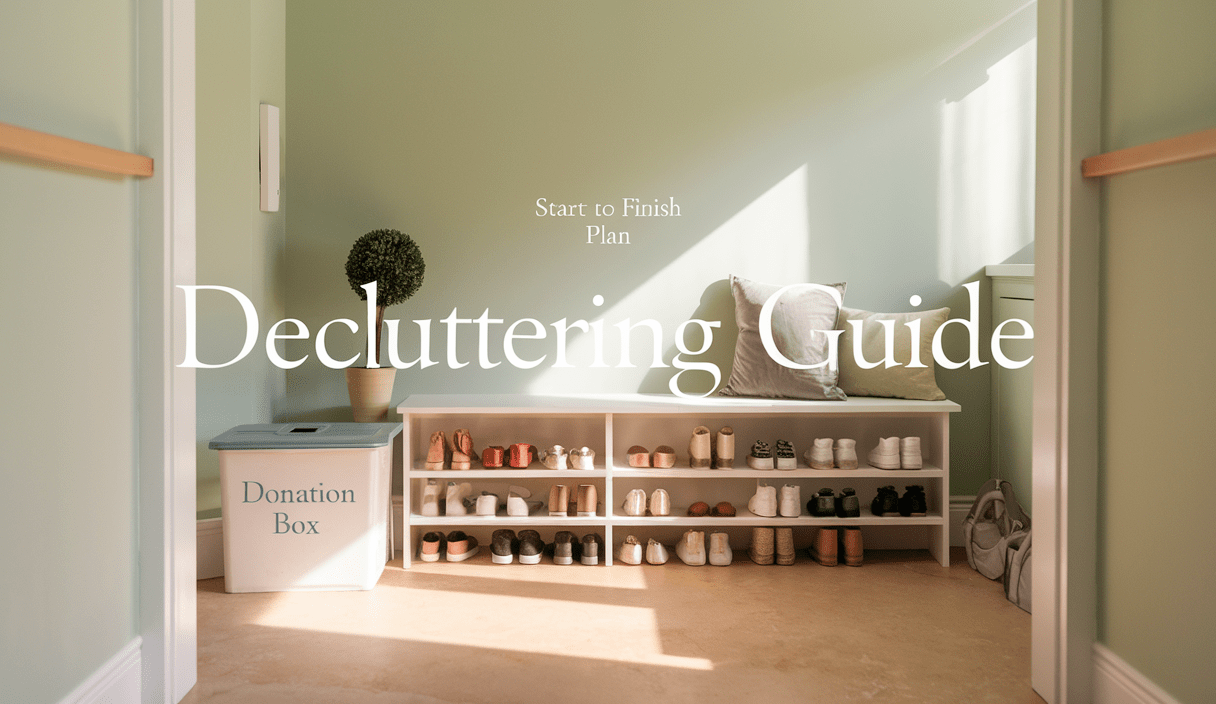
Decluttering Guide — if the phrase makes your heart race and your to-do list groan, you’re not alone. This step-by-step guide will help you start small, build momentum, and finish strong so your space stays calm and functional. Read on for a clear plan, room-by-room tips, and real-world advice to keep progress going.

Most people start decluttering with energy, but progress stalls because the plan is vague or tasks are too big. A good decluttering guide gives structure: tiny wins, decision rules, and follow-through steps so you don’t burn out.
Before we dive deeper, here’s a simple checklist to get you moving today. These are tiny actions you can do in 15–30 minutes to build momentum.
If you want a quick community tip list, check this Quickstart Guide on Reddit — it has practical ideas like planning a later deep clean after reducing clutter.
Follow these six steps to move from small wins to completed rooms without getting overwhelmed.
Decide your timeline. Commit to short, regular sessions (15–45 minutes) for a week. Block these on your calendar like appointments. Choose a priority area: the entryway, a junk drawer, or the closet that frustrates you most.
Sort into four piles: Keep, Donate/Sell, Recycle, and Trash. Use a fifth pile for items to relocate. Try the “touch once” rule—when you pick up an item, immediately decide.
Simple rules remove guilt and doubt. Examples:
Don’t let donation bags sit for weeks. Schedule a drop-off or pick-up within 48 hours. This prevents the “I’ll deal with it later” trap.
Once items are removed, do a quick clean (wipe surfaces, vacuum). Then give the area a simple, usable layout. A neat surface encourages maintenance.
Set a weekly 10–20 minute check to keep clutter from creeping back. At the end of each month, evaluate one small area and repeat the process.

Not all rooms need the same approach. Use momentum from easier wins to tackle bigger spaces.
Clear shoes and coats. Create a dedicated spot for keys and mail. If the entry is tidy, you’ll feel calmer entering and leaving home.
Start with one drawer or cabinet. Discard duplicates, expired food, and single-use gadgets you never use. For broader strategy see this practical guide at Modern Minimalism — it suggests starting with closets to build momentum then moving to bedrooms for better rest.
Declutter surfaces and nightstands first. Then assess clothes by category. A bedroom refreshed can boost sleep and energy.
File or scan important papers. Adopt a “one-in, one-out” rule for notebooks and office supplies. If you’re prepping a move to college, this college decluttering guide has a focused checklist for students.
Gather these before you start to avoid stopping mid-task:

Your timeline depends on the size of the space and how much you keep. Here are realistic estimates:
Starting is the easy part. Follow-through requires systems.
Want worksheets or a workbook-style approach? Here’s a helpful video workbook that many find useful:

Video: Decluttering Follow-Through — tips to stay consistent
Many people make the same predictable mistakes. Avoid these to keep momentum.

Local shelters, thrift stores, and online marketplaces are great. Schedule donations right away and use community pickup if available. If you’re moving, check guides like this moving purge resource from local pros: Organize Nashville — it covers purge steps from start to finish and expert tips for moving prep.
If you prefer a deeper plan, check these resources that cover different styles — minimalist transformation, practical room-by-room strategy, and momentum-building methods:
Maintenance beats endless decluttering marathons. Add these simple habits:
This decluttering guide focuses on realistic steps, decision rules, and follow-through — not perfection. It encourages tiny wins, clear deadlines for donation and sales, and simple maintenance so results last.
Start with short weekly sessions and a monthly review for donations. Frequent, short efforts are more sustainable than rare, long sessions.
Use decision rules like “12-month non-use” and remind yourself items can help others when donated. If guilt persists, take a photo to preserve memory then let go.
Yes — many communities offer e-waste recycling or special drop-off days. Remove personal data before recycling or donating electronics.
Try a decluttering workbook or an accountability buddy. The Reddit quickstart thread and community guides linked above offer consistent peer motivation.
If you want a printable quick-action guide, explore the linked resources above or revisit this page when you’re ready to start the next area. Small decisions done consistently create lasting change.
Final note: This decluttering guide is meant to be practical and forgiving. Keep the rules simple, remove items promptly, and build habits that last.
Ready to finish what you start? Explore more step-by-step guides and calming home tips at zenpulsehub.com — your next win is a click away.