Physical Address
304 North Cardinal St.
Dorchester Center, MA 02124
Physical Address
304 North Cardinal St.
Dorchester Center, MA 02124

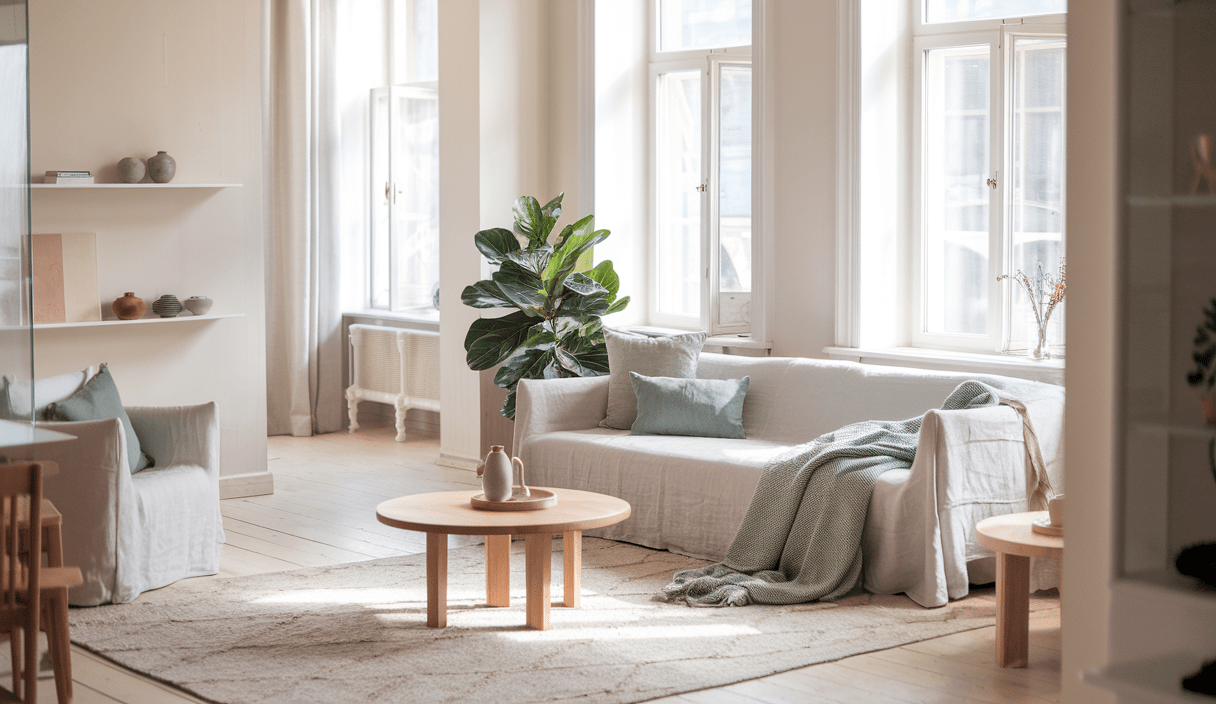
Scandinavian interior design is a practical, cozy, and timeless approach that makes small spaces feel calm and open. In this beginner’s guide I’ll walk you through the key ideas, color choices, furniture tips, and easy DIYs so you can start shaping a lighter, more functional home today.
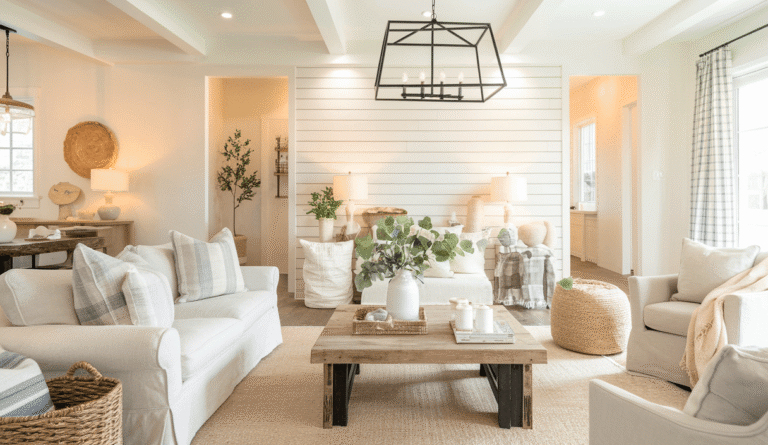
At its heart, Scandinavian interior design is about simplicity, function, and comfort. Originating in the Nordic countries in the early 20th century, it blends clean lines with natural materials and warm textiles to create spaces that feel both practical and inviting. You’ll see it everywhere—from minimalist studio apartments to cozy family homes.
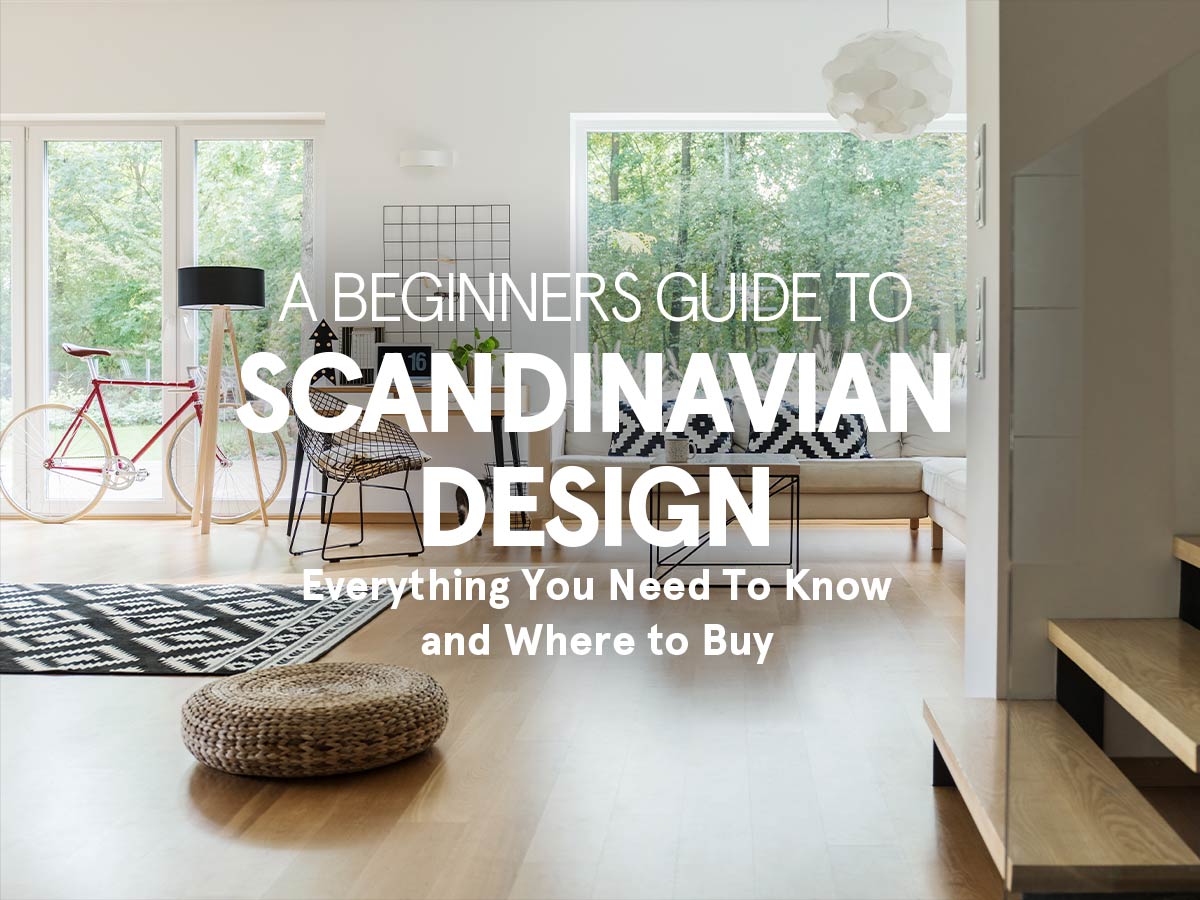
These basic principles will help you make design choices that feel cohesive and intentional:
Colors in Scandinavian homes tend to be muted and soothing. Think whites, soft grays, pale blues, and muted greens. Wood tones—especially light birch, pine, and oak—bring warmth and texture.
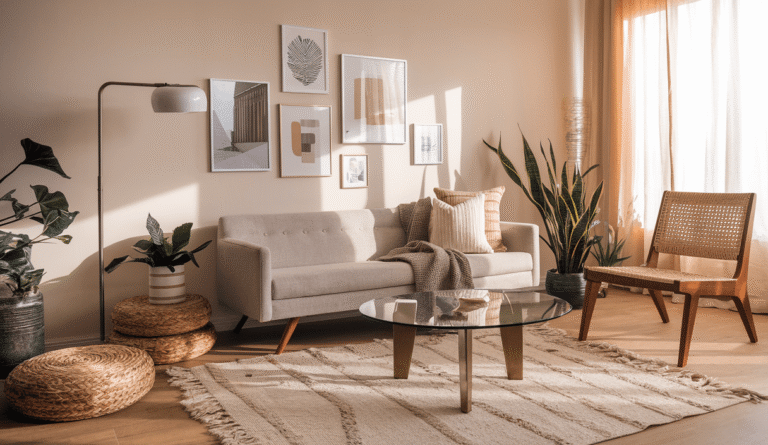
Furniture is streamlined and practical. Scandinavian pieces often have slim profiles, exposed wood legs, and minimal ornamentation.
Arrange furniture to support daily life: clear walkways, zones for relaxing and working, and easy access to storage. If you’re unsure, start with a simple layout and add pieces only when they serve a purpose.
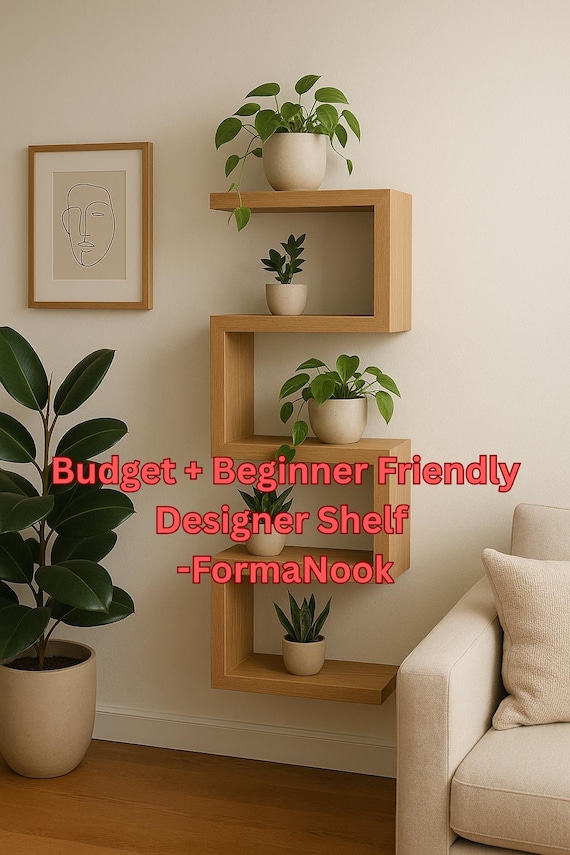
Light is essential in Scandinavian design because northern climates have long, dark winters. Even if you don’t live in the far north, maximizing light will make your home feel larger and more welcoming.
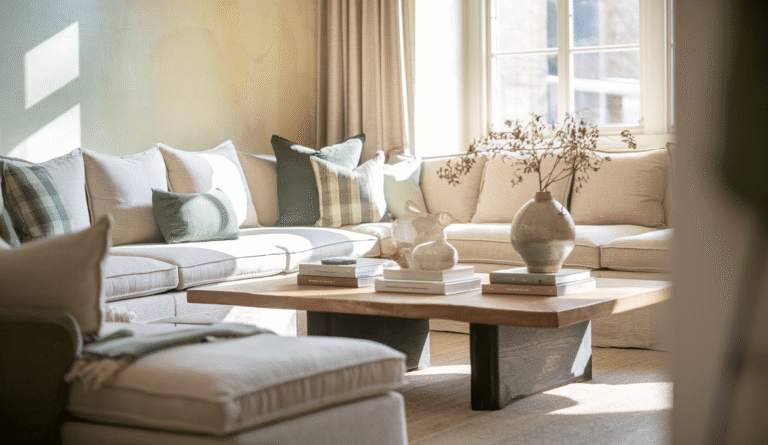
Textiles bring the warmth that makes Scandinavian rooms feel lived-in. Think wool throws, linen cushions, and simple rugs.

If you live in an apartment, Scandinavian design is especially useful. Here are practical, easy ideas:
You don’t need a big budget to create a Scandinavian look. Mix affordable finds with a few quality pieces.
Good blogs and community posts can give you layout ideas and shopping tips. A few worth bookmarking:
DIY lets you add personality without breaking the bank. Try these beginner-friendly ideas:

Styling in this design language is mindful and restrained. Follow these quick rules:
Mockups help you test ideas before you buy. Tools like Figma are handy for mood boards and planning room layouts. See this example portfolio-style mockup for layout inspiration:

Use this simple checklist before you buy or rearrange:
Scandinavian interior design can be adapted to your budget and style. Mix new and vintage, add plants, and focus on light—those small changes will transform a room faster than a full renovation.
Want to dive deeper? Community threads and blogs like the ones linked above are great for real-life photos and practical tips from people doing this style daily. For a mix of inspiration and how-to posts, check the reddit links and design blogs I shared earlier.
Whether you’re redecorating one room or planning a full refresh, start small and keep the focus on function, light, and warmth. Happy styling!
Begin by decluttering and painting walls a light neutral color. Add a couple of natural wood pieces and a soft throw. Focus on lighting and a purposeful layout—small changes create big impact.
Yes—but use them sparingly. Muted or pastel accents work best. Keep large surfaces neutral and place color in accessories or small furniture to maintain balance.
Absolutely. Scandinavian design blends well with Japanese minimalism, modern, and even rustic farmhouse touches. The key is to maintain simplicity and focus on natural materials.
Look for sales at mainstream retailers, second-hand stores, and marketplaces like Etsy for handmade accessories. The links earlier in the post point to useful resources and community recommendations.
Ready to try these ideas in your home? Explore more guides and styling tips at zenpulsehub.com to keep learning and improving your space.